
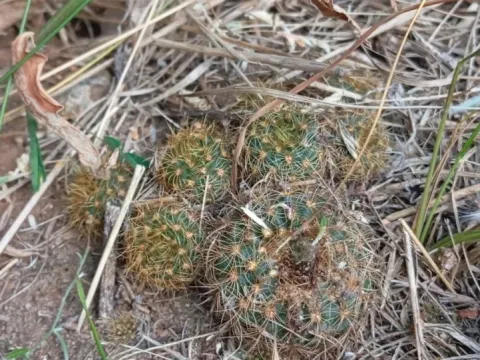
Frailea
Frailea
Frailea is a genus of miniature succulent plants belonging to the Cactaceae family. Native to South America, including countries like Brazil, Paraguay, and Argentina, these plants typically inhabit rocky terrains and open grasslands where soil is sparse and drainage is excellent.
What the section contains
 Frailea buenekeri
Frailea buenekeri
Frailea buenekeri
 Frailea castanea
Frailea castanea
Frailea castanea
 Frailea cataphracta
Frailea cataphracta
Frailea cataphracta
 Frailea chiquitana
Frailea chiquitana
Frailea chiquitana
 Frailea curvispina
Frailea mammifera
Frailea mammifera
Frailea curvispina
Frailea curvispina
Frailea mammifera
Frailea mammifera
 Frailea phaeodisca
Frailea phaeodisca
Frailea phaeodisca
 Frailea pumila
Frailea pumila
Frailea pumila
 Frailea pygmaea
Frailea pygmaea
Frailea pygmaea
 Frailea schilinzkyana
Frailea schilinzkyana
Frailea schilinzkyana
Frailea
Successful cultivation requires a highly porous substrate. A typical mixture includes mineral-based components like coarse sand, gravel, and perlite, with minimal organic peat. Proper aeration is crucial to simulate the rocky environment these plants naturally thrive in.
Watering management is the most critical aspect of Frailea maintenance. The soil must be allowed to dry out completely between waterings to prevent root system decomposition. During winter dormancy, water intake should be restricted to nearly zero to avoid freezing or rot.
Light intensity significantly influences the development of the plant. While they prefer bright light, excessive direct sun can scorch the epidermis. In home cultivation, a south-facing window with slight shading during peak hours is generally ideal for maintaining health.
A distinctive feature of the Frailea genus is its ability to produce cleistogamous flowers. This biological adaptation allows the plant to set seeds without the flowers ever opening fully, ensuring reproductive success even in cloudy or cool weather conditions.
The primary threat to the health of Frailea is fungal rot, which manifests when moisture persists in the substrate for too long. Excessive humidity at the base of the plant leads to the destruction of the vascular system, resulting in the rapid death of the cactus.
Red spider mites are the most common pest observed in indoor cultivation. They tend to infest the plant during hot and dry conditions, feeding on the surface cells and leaving behind unsightly scarring that can permanently affect the visual appeal of the specimen.
Root mealybugs pose a significant challenge because they remain undetected beneath the soil surface. They weaken the plant by extracting sap, which often leads to poor nutrient uptake and stunted growth, making the host vulnerable to secondary infections.
Over-fertilization can weaken the plant's natural structure, making the flesh softer and more susceptible to pathogen entry. Only low-nitrogen fertilizers should be used, and even then, only during the peak growing season to ensure steady development.
Preventive measures include periodic inspection of the root ball and maintaining good air circulation around the plants. If an infestation occurs, targeted application of appropriate pesticides is necessary, provided the dosage is strictly monitored to avoid chemical burns.