
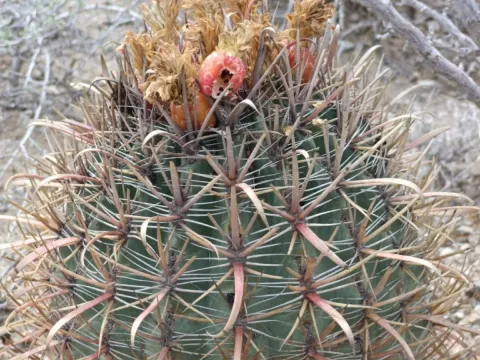
Glandulicactus
Glandulicactus
Seed propagation of Glandulicactus begins in the spring, when the daylight hours are sufficient for the full development of the seedlings.
What the section contains

Glandulicactus
A light substrate consisting of a mixture of sand, perlite, and turf soil is used, which must be well disinfected before sowing.
Seeds are sown superficially without deep embedding, after which the container is covered with glass or film to maintain constant humidity.
The temperature regime for seed germination should be maintained at 22–25 degrees Celsius, avoiding direct sunlight in the first weeks.
Pricking out young plants is carried out only after the formation of primary spines, which usually happens 6–8 months after sowing.
Glandulicactus is a genus of succulents from the Cactaceae family, native to the arid regions of Mexico and the southern United States.
The plant prefers well-drained, mineral soils with low organic content and a neutral or slightly alkaline pH level.
Intense solar illumination is required for the normal life of the crop, as a lack of light leads to etiolation of the stem.
During the growing season, watering should be moderate: the substrate must dry out completely between waterings to avoid root rot.
In winter, the plant requires a rest period at low temperatures (from +5 to +10 degrees) and almost complete cessation of watering.
The main threat to the health of the cactus is root and stem rot, which occurs due to waterlogging of the soil or stagnant water in the tray.
Among pests, the spider mite causes the most damage, attacking the epidermis of the plant in conditions of too dry and stagnant air.
Root mealybugs often hide in the soil ball, sucking juices from young roots, leading to stunted growth and stem deformation.
Prevention of fungal diseases consists of regular ventilation of the premises and the use of fungicidal preparations at the first signs of infection.
- Providing high-quality drainage
- Monitoring the cleanliness of tools
- Regular visual inspection of growth points