
Frailea phaeodisca
Frailea phaeodisca
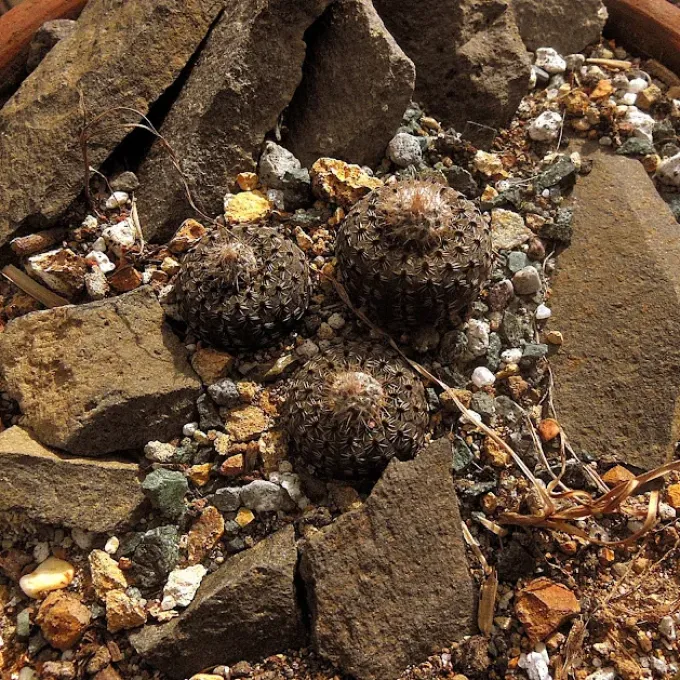
Description
Sowing dates
Sowing Frailea phaeodisca seeds should be performed in the spring season, typically between March and May, to take advantage of the increasing daylight hours necessary for seedling development.
It is essential to use a highly porous, sterile seed-starting mix to ensure that the delicate root systems of the young cacti do not succumb to fungal pathogens.
Seeds should be sown on the surface of the soil and covered with a very light dusting of fine grit, then placed in a warm environment with a temperature range of 22 to 26 degrees Celsius.
High humidity is maintained during the germination phase by covering the containers, but proper ventilation must be introduced as soon as the first signs of germination appear.
Transplanting the seedlings into individual small pots should be delayed until the plants are sturdy enough to handle the disruption of their root systems.
Growing requirements
Frailea phaeodisca is a fascinating member of the Cactaceae family, native to the grasslands and rocky habitats of South America, specifically Brazil and Uruguay.
This species is known for being a miniature plant that often blooms cleistogamously, meaning its flowers remain closed while self-pollinating to produce seeds.
To cultivate this cactus successfully, provide it with bright, filtered sunlight and avoid exposing it to harsh, direct midday sun which can bleach the plant body.
The potting medium must be inorganic-heavy, ideally consisting of a high percentage of pumice, perlite, and coarse sand to ensure rapid water drainage.
During the dormant winter phase, plants should be kept completely dry and in a cool environment, with temperatures not dropping below 8 degrees Celsius.
Main diseases and pests
The most prevalent threat to Frailea phaeodisca is root rot, which occurs rapidly if the plant is left in waterlogged soil during periods of low light or low temperature.
Pests such as mealybugs, particularly root mealybugs, can infest the root zone, weakening the plant and making it susceptible to secondary bacterial infections.
Spider mites are also a constant concern, especially in dry and poorly ventilated environments, where they can quickly deface the cactus body.
Maintaining proper hygiene by cleaning pots and monitoring the plant's health periodically is the best line of defense against these common horticultural threats.
- Ensure the soil dries out completely between waterings.
- Provide adequate spacing for airflow around the pots.
- Isolate new plants before introducing them to the main collection.