
Green-red prickly pear
Opuntia viridirubra
Description
Growing requirements
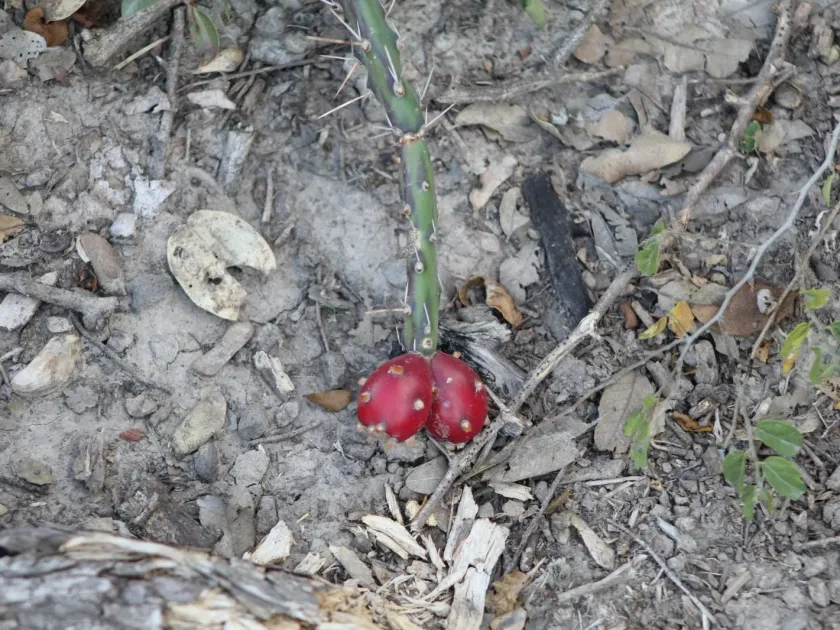
The green-red prickly pear (Opuntia viridirubra) belongs to the Cactaceae family. This species is a robust perennial succulent characterized by its distinct, segmented stems that exhibit unique greenish-red pigmentation when exposed to high levels of sunlight.
Native to South America, particularly regions within Paraguay, this plant is well-adapted to rocky, arid landscapes. Its evolution in harsh environments makes it highly efficient at water retention and thermal regulation.
Cultivation success depends heavily on substrate quality. These plants require well-draining, gritty soil mixtures that prevent moisture accumulation around the roots, as saturated soil remains the leading cause of plant mortality.
Climatic requirements focus on high light intensity and moderate temperature fluctuations. During the growing season, temperatures between 20°C and 30°C promote healthy development, while a cooler dormant period is necessary for structural maturity.
In terms of agricultural utility, the species is valued for its hardiness in marginal soils. Beyond its ornamental role, it serves as a potential resource for biomass and has been historically utilized in various food and skincare formulations.
Main diseases and pests
Fungal pathogens represent the most significant threat to Opuntia viridirubra, particularly those thriving in damp conditions. Root rot, primarily driven by waterlogging, can cause irreversible damage to the vascular system of the cactus pads.
Mealybugs are the most common insect pests that infest this species, hiding in the junctions between segments. They sap the vital fluids of the plant, often leading to secondary infections that further weaken the individual specimen.
Spider mites frequently attack the crop in arid, stagnant air conditions. Infestations are typically characterized by discolored, dry patches on the outer epidermis of the stem, severely impacting the aesthetic and physiological health of the plant.
Scale insects present a difficult challenge due to their protective armor, which makes traditional contact pesticides less effective. Systematic management and manual removal remain essential components of an integrated pest control strategy.
Effective defense requires proactive monitoring and maintaining optimal air circulation. Preventing soil compaction and ensuring the proper spacing between plants are the best preventive measures against both common pests and persistent fungal issues.