
Frailea pygmaea
Frailea pygmaea
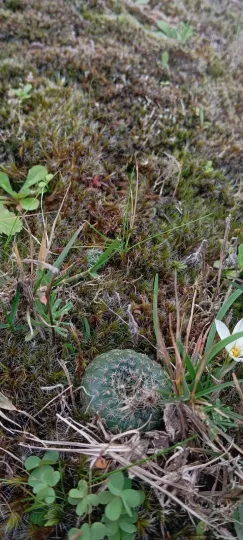
Description
Sowing dates
Seed propagation of Frailea pygmaea requires a stable temperature range of +22 to +25 degrees Celsius, ideally during the spring growth season.
It is critical to use fresh seeds for sowing, as the germination rate of this species decreases significantly if seeds are stored for long periods.
Seeds should be sown on the surface of a sterile, well-draining substrate without deep burial, maintaining high humidity under a transparent cover.
Constant, diffuse lighting is essential for early development, ensuring the seedlings do not suffer from thermal shocks during the germination phase.
Pricking out seedlings should be delayed until the plants have developed sufficient size and robustness, which usually takes about one year.
Growing requirements
Frailea pygmaea thrives in lightweight, mineral-based soil mixtures that offer excellent drainage to prevent any risk of moisture retention at the roots.
The plant prefers bright, indirect light; direct summer sun should be avoided to prevent sunburns on the delicate skin of the small, globular stem.
Watering must be strictly moderated, allowing the soil to dry out completely between waterings to simulate the natural arid conditions of its habitat.
A cool winter dormancy period with temperatures around +8 to +12 degrees Celsius is necessary to stimulate the flowering potential of this cactus.
Using shallow, compact pots is recommended, as this species does not require large amounts of soil and prefers being kept in somewhat restricted spaces.
Main diseases and pests
Excessive moisture is the primary threat to Frailea pygmaea, leading to rapid stem rot and the degradation of the delicate root system.
Spider mites are a common pest in indoor environments, frequently attacking the succulent surface and causing permanent cosmetic damage to the plant.
Root mealybugs present a significant challenge, often hiding deep within the substrate and hindering the plant's ability to absorb water and nutrients.
Prevention involves regular inspections of the roots and stem, as well as maintaining a hygienic environment within the collection area.
Applying specialized insecticides and ensuring proper ventilation are the most effective strategies for controlling infestations and maintaining healthy cacti.