
Frailea pumila
Frailea pumila
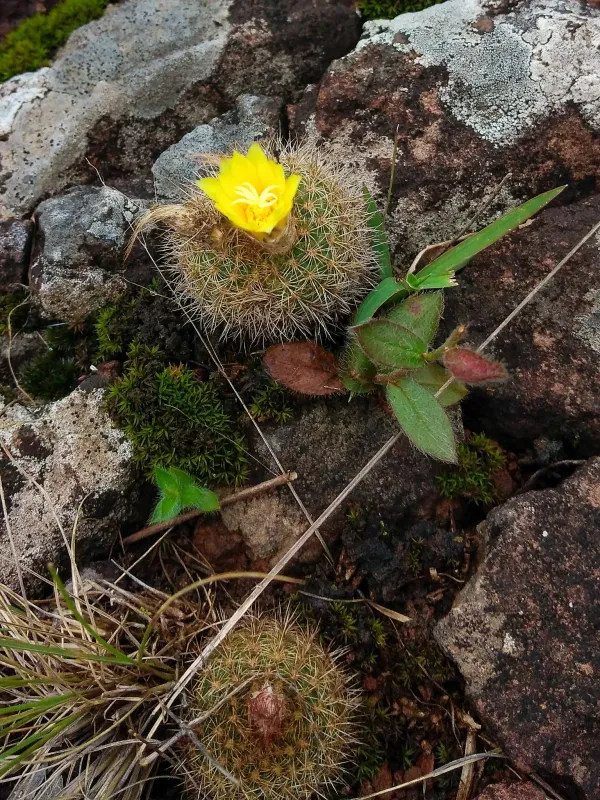
Description
Sowing dates
Propagation of Frailea pumila is primarily done through seeds sown in early spring. Optimal germination occurs at temperatures between 22 and 26 degrees Celsius in a stable, humid environment.
Using a sterile, well-draining seed-starting mix is critical to prevent the damping-off fungus. A mixture of fine sand and peat is generally recommended for the delicate seedlings.
Seeds should be pressed lightly onto the surface of the moist soil and covered with a glass sheet or transparent lid to maintain consistent moisture levels during the critical first weeks.
Once seedlings emerge, the cover should be removed gradually to acclimatize them to ambient conditions. Excessive sunlight should be avoided during the initial growth stages.
Frailea pumila is unique for its cleistogamous flowers, which produce seeds without opening. This biological trait allows for easy seed collection and natural propagation within a collection.
Growing requirements
Frailea pumila is a member of the Cactaceae family, native to South America. It is prized by collectors for its compact size and fascinating morphological characteristics.
The plant thrives in bright, indirect light. While it enjoys warmth, it should be shielded from harsh midday sun to prevent permanent scarring of the epidermis.
A well-aerated, gritty substrate is essential for this species. It requires a pot with excellent drainage, as the roots are highly susceptible to rot if left in standing water.
Watering should be careful and rhythmic; allow the soil to dry out completely between sessions. During the dormant winter phase, watering should be significantly reduced or stopped.
Proper ventilation is necessary to ensure the health of the plant. Maintaining a dry environment during the resting period at temperatures around 10 degrees Celsius promotes healthy spring blooming.
Main diseases and pests
The most common health issue for Frailea pumila is root rot, typically caused by overwatering or poor drainage. It is often irreversible, making prevention the best strategy.
Spider mites are a persistent pest, especially in environments with poor air circulation and low humidity. Regular monitoring and misting can help deter these pests from colonizing the plant.
Mealybugs can hide in the crevices of the cactus, feeding on plant sap. These can be managed manually with a cotton swab dipped in isopropyl alcohol for mild infestations.
Fungal diseases are a constant threat if the soil remains wet for too long. Using systemic fungicides during the repotting process can help bolster the plant's natural defenses.
Ensuring that the plant is not kept in a cramped, dark location reduces the risk of stress-related ailments. A healthy cactus with proper airflow is far less likely to succumb to infections.