
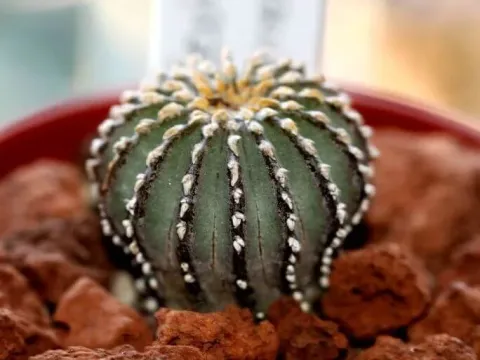
Geohintonia
Geohintonia
Geohintonia mexicana is primarily propagated by seeds in a protected environment. Sowing is best performed in spring, specifically between March and April, when the daylight hours begin to increase significantly.
What the section contains

Geohintonia
To ensure successful germination, it is necessary to maintain a stable temperature range between 22 and 25 degrees Celsius. Seeds should be sown in a fine, sterile mineral substrate based on sand and crushed limestone, keeping it moderately moist.
Seed viability is often low, so experts strongly recommend using fresh seeds. The use of fungicides during the germination stage is a mandatory precaution to protect the vulnerable seedlings from damping-off and rot.
The germination process can take several weeks, so maintaining consistent moisture in the top layer is crucial. Once the first spines emerge, the seedlings should be gradually introduced to a drier maintenance regime.
Vegetative propagation via cuttings is generally not recommended for this species due to the extremely high risk of stem rot, making seed propagation the only reliable method for obtaining new specimens.
This plant is an endemic species from the Mexican state of Nuevo León, naturally inhabiting gypsum-rich rocks. In cultivation, it is vital to replicate its natural environment by providing intense and bright sunlight.
The growing medium must be strictly mineral, with a high content of gypsum or limestone grit to maintain an alkaline balance. Organic fertilizers should be strictly avoided in the soil mix, as they cause unnatural and rapid stretching of the stem.
Watering requirements are minimal: hydration should only occur during the active growing season and only after the substrate has completely dried out. During the winter months, the plant requires complete dryness and cool temperatures between 5 and 10 degrees Celsius.
The plant exhibits an extremely slow growth rate, a direct result of its adaptation to the harsh conditions of rocky deserts. Good ventilation is a key factor in preventing the development of pathogens on the plant's surface.
For successful cultivation, shallow pots with wide drainage holes are essential to prevent moisture stagnation in the root zone, which is highly sensitive to excessive saturation.
The primary threat to this species is root and stem rot caused by excessive moisture in the substrate. Infection progresses rapidly, and once the tissue begins to soften, the plant is often impossible to recover.
Mealybugs are the most dangerous pests, often hiding in the deep folds of the stem and between the areoles. They sap the plant's vitality, weakening its immune system and creating entry points for secondary bacterial infections.
Spider mites can damage the plant's epidermis if the air is too dry and stagnant, leading to unsightly corky patches. Regular monitoring and active air circulation in greenhouses help significantly reduce these risks.
Root mealybugs often remain unnoticed until the plant ceases growth and begins to lose turgor. To combat them, systemic insecticides are applied via soil drenching directly into the root area.
Disease prevention is based on strictly adhering to a proper watering schedule, avoiding stagnant air conditions, and using high-quality, sterilized mineral substrates to eliminate potential soil-borne pathogens.