
Frailea cataphracta
Frailea cataphracta
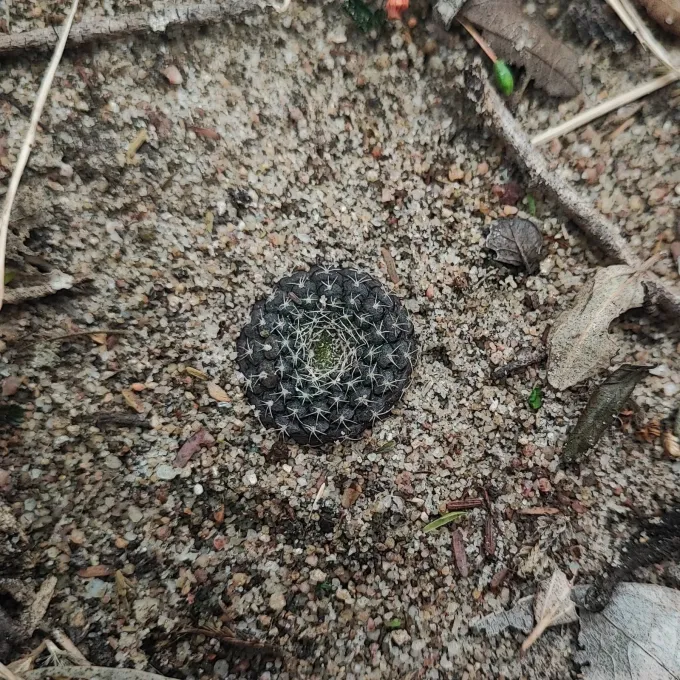
Description
Sowing dates
Sowing seeds of Frailea cataphracta is best performed during the spring or early summer months, when temperatures remain consistently between 22 and 25 degrees Celsius. Fresh seeds are essential for high germination rates, as the viability of this cactus species declines significantly over time.
The seeds should be sown on a slightly moist, fine-textured substrate consisting of peat and coarse sand. Maintaining a level surface ensures proper seed-to-soil contact, which is vital for successful moisture absorption during the initial development stages.
Creating a humid microclimate is crucial; covering the container with transparent plastic or glass will maintain the required humidity levels. Germination typically occurs within two weeks under stable light conditions, avoiding direct, harsh sunlight.
Once seedlings emerge, they must be gradually acclimated to ambient air. Transplanting is only recommended once the cacti reach the size of a small pea, which generally takes about six months, ensuring they have sufficient strength to survive the move.
Using specialized LED grow lights during the early growth stages is highly recommended to promote robust development and prevent the seedlings from becoming unnaturally elongated or etiolated.
Growing requirements
Frailea cataphracta is a dwarf cactus belonging to the Cactaceae family, native to the rocky, arid regions of Paraguay and Brazil. These plants are naturally adapted to environments with excellent drainage and periodic water scarcity.
Cultivation requires a highly porous and aerated substrate. A blend of garden soil, coarse grit, sand, and small amounts of charcoal provides the ideal balance of nutrients and structural stability required for healthy root growth.
Water management is the most critical aspect of the plant's husbandry. Frailea cataphracta is extremely susceptible to root rot, so it should be potted in small containers to ensure that moisture does not accumulate for extended periods within the soil.
During the dormant winter phase, the plants require cooler temperatures, ideally between 10 and 12 degrees Celsius. During this time, irrigation must be almost entirely withheld to allow the cactus to enter its natural period of rest.
While these cacti thrive in bright light, exposure to direct midday sun should be avoided to prevent epidermis scorching. A location with strong, filtered light promotes compact growth and better resilience against seasonal changes.
Main diseases and pests
The primary concern for Frailea cataphracta growers is the development of fungal and bacterial rot, usually caused by overwatering or soil that remains damp for too long. These conditions are fatal if not addressed immediately.
Spider mites are the most common pests, particularly thriving in dry, poorly ventilated indoor environments. Their feeding activity leads to discolored, scarred tissue on the cactus body, significantly reducing its aesthetic value.
Mealybugs are another frequent pest, typically found nestled in the crevices between the cactus ribs. Early detection is key; manual removal with alcohol-soaked cotton swabs or systematic insecticides is usually effective for control.
Root mealybugs are particularly insidious, often going unnoticed until the plant shows signs of severe stress or dehydration. Regular inspection of the roots during repotting is necessary for early detection and mitigation of potential infestations.
To prevent these threats, maintaining high hygiene standards, ensuring adequate airflow around the plants, and using sterile soil mixtures are essential practices for any enthusiast growing these delicate succulents.