
Frailea chiquitana
Frailea chiquitana
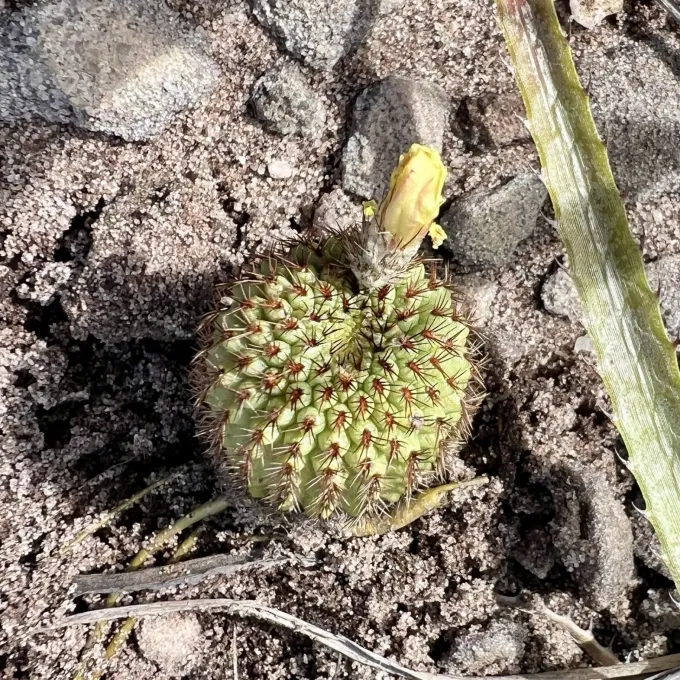
Description
Sowing dates
Sowing seeds of this cactus species is typically carried out during the spring and summer months when stable, warm air temperatures are established. March or April is considered the optimal time, allowing young seedlings to gain strength before the winter dormancy period.
For successful germination, it is necessary to use a loose, sterile substrate consisting of a mixture of loam, leaf mold, and coarse-grained sand. Maintaining constant humidity in the propagator during the initial sprouting phase is a critical requirement.
Frailea seeds have a relatively short viability period, so it is highly recommended to use only freshly harvested seed material. With the right approach, the first sprouts usually appear within 7 to 14 days after sowing.
Seedlings should be pricked out no earlier than 6 to 8 months after emergence, once they have reached the size of a small pea. At this stage, it is crucial to exercise extreme caution to avoid damaging the delicate root system.
In the future, seedlings require a gradual transition to the watering regimen of mature plants, which minimizes the risk of collar rot. Bottom watering through a tray is highly recommended to protect the stem.
Growing requirements
Frailea chiquitana belongs to the Cactaceae family and naturally inhabits dry tropical forests and savannas of South America, specifically in the Chiquitania region of Bolivia. This plant is well-adapted to life in environments with variable humidity.
For optimal development, the cactus requires bright but diffused light. Direct sunlight during peak afternoon hours can cause epidermal burns, so light shading is recommended during the summer months.
The soil mixture must have excellent air and water permeability. An ideal composition consists of a substrate with low organic content, supplemented by mineral components such as gravel, perlite, or crushed brick.
The temperature regime during the active growing season should be maintained between 22 and 28 degrees Celsius. During the winter, the plant requires a dormant period at temperatures of 10–12 degrees with almost no watering.
Ambient humidity is not a critical factor for this species; however, the plant reacts negatively to standing water in the pot, which inevitably leads to the infection of roots by pathogenic fungi.
Main diseases and pests
The primary threat to Frailea is fungal disease, which occurs as a result of waterlogged soil. Root rot develops rapidly and can often lead to the loss of the entire plant within just a few days.
Among pests, the red spider mite causes the most significant damage by sucking sap from the stem and leaving behind characteristic spots. Maintaining cleanliness in the collection and regular inspections are essential for prevention.
The root mealybug is also a frequent pest in succulent collections, attacking the underground portion of the stem. Since it is difficult to detect at early stages, periodic soil drenching with systemic insecticides is recommended.
Scale insects may colonize the surface of the epidermis, weakening the plant's natural immune system. Control involves manual removal of the pests followed by a targeted treatment with appropriate insecticides.
Improper cultural practices can lead to the appearance of grey mold, which manifests as dark, wet spots. Affected plant tissues require immediate excision and disinfection with fungicides to prevent the spread of decay.