
Frailea castanea
Frailea castanea
Description
Sowing dates
Sowing seeds of Frailea castanea is best performed in the spring when daylight hours begin to increase. The ideal temperature range for germination is between 22 and 25 degrees Celsius, while maintaining consistent soil moisture.
The seeds of this species have a relatively short viability period, so it is crucial to use fresh seeds. The sowing substrate should be a loose, sandy mix with a small portion of sterilized leaf compost to ensure optimal initial growth.
Cover the containers with glass or plastic to maintain humidity levels and place them in a spot with bright, indirect light. Direct sunlight at the seedling stage is highly dangerous and can cause fatal burns to young plants.
Pricking out the seedlings should be done carefully once they have grown sufficiently and are strong enough for individual pots. Avoid excessive watering during the first few months, as young cacti are highly prone to damping-off disease.
Frailea castanea is known for its cleistogamous habit, meaning it self-pollinates without the flowers ever opening. This biological trait allows for easy seed production, as the plant sets fertile seeds automatically within the closed flower buds.
Growing requirements
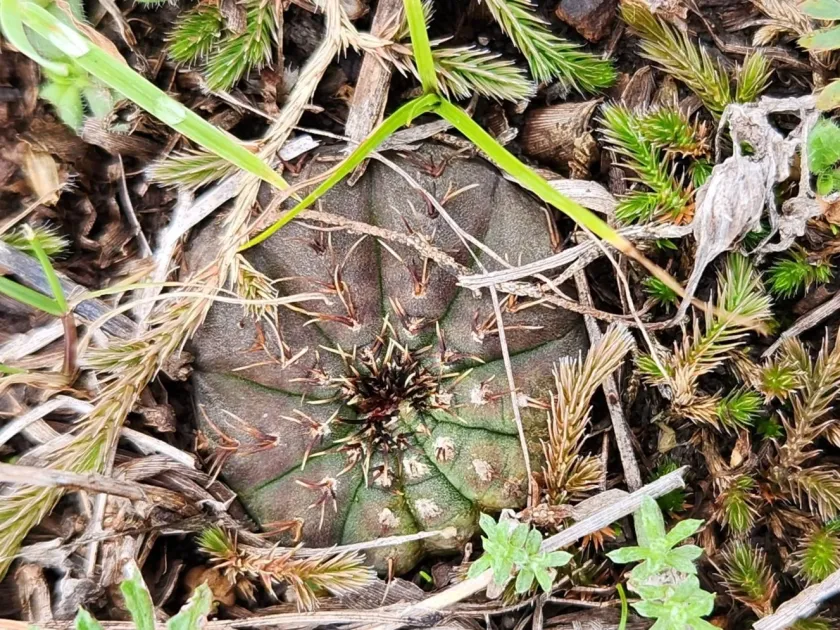
Frailea castanea belongs to the Cactaceae family and is native to the arid regions of South America, specifically parts of Uruguay and Brazil. It is a miniature cactus known for its flattened, spherical body and a dark, chestnut-colored epidermis.
This species requires high light levels to maintain its compact, natural form. While it thrives in bright spots, it should be protected from harsh, direct midday sun during the summer to prevent epidermis damage and dehydration.
The planting substrate must be extremely porous, well-draining, and low in organic matter. A mix consisting of coarse sand, crushed gravel, and a small amount of grit is recommended to ensure the roots do not sit in standing water.
Watering should be kept moderate during the growing season from spring through autumn. It is vital to let the soil dry out completely between waterings to prevent root rot, which is the most common cause of plant failure in this species.
A cool and dry winter dormancy period is essential for the health of Frailea castanea. Temperatures should be kept between 8 and 12 degrees Celsius, and watering should be minimized to prepare the plant for the following blooming season.
Main diseases and pests
Overwatering remains the primary threat to the longevity of Frailea castanea, as it quickly leads to root rot and stem decay. Always use containers with large drainage holes to ensure the excess moisture is removed immediately.
Mealybugs are the most common pests found on this cactus, usually hiding in the crevices of the stem or at the base of the plant. Regular inspection is necessary to catch and treat infestations before they spread across the entire collection.
Spider mites can also attack the plant if the air in the room becomes too hot and dry for prolonged periods. To prevent this, ensure proper airflow and check the skin of the cactus for small spots or webbing regularly.
Insufficient lighting causes etiolation, where the plant loses its compact, flattened shape and becomes elongated. An etiolated plant is not only less attractive but also significantly weaker and more susceptible to diseases and pest attacks.
Using non-sterile or improperly prepared soil can introduce soil-borne pathogens and pests. Always heat-treat your substrate components before planting to maintain a clean environment for your cactus to thrive.