
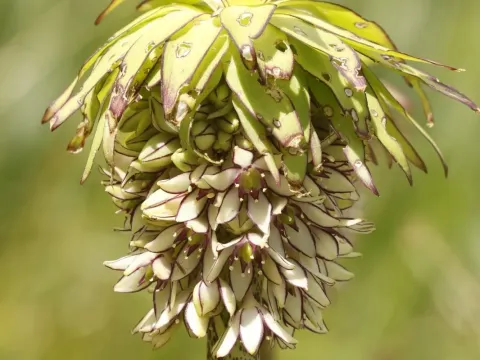
Eucomis
Eucomis
Planting Eucomis in the open ground should be delayed until the soil has thoroughly warmed up and there is no risk of frost. Late spring, usually May, is the ideal time to ensure the bulbs start their growth cycle in favourable conditions.
What the section contains
 Eucomis amaryllidifolia
Eucomis amaryllidifolia
Eucomis amaryllidifolia
 Eucomis autumnalis
Eucomis autumnalis
Eucomis autumnalis
 Eucomis bicolor
Eucomis bicolor
Eucomis bicolor
 Eucomis humilis
Eucomis humilis
Eucomis humilis
 Eucomis hybrids
Eucomis hybrids
Eucomis hybrids
 Eucomis montana
Eucomis montana
Eucomis montana
 Eucomis pallidiflora
Eucomis pallidiflora
Eucomis pallidiflora
 Eucomis regia
Eucomis regia
Eucomis regia
 Zambezi pineapple lily
Eucomis zambesiaca
Zambezi pineapple lily
Eucomis zambesiaca
Eucomis
Bulbs are typically planted at a depth of 10 to 15 centimetres, depending on their size. Providing enough space, roughly 20–30 centimetres between plants, is crucial for proper development and prevents competition for nutrients.
For those starting in containers, planting can be done indoors in late March. This technique allows the plant to establish roots and foliage earlier, resulting in a more robust plant ready for moving outside once summer temperatures arrive.
A successful planting strategy must include a well-draining base at the bottom of the hole. Incorporating coarse sand or gravel ensures that water moves away from the bulb, preventing the common issue of rot in this moisture-sensitive species.
Always source healthy, firm bulbs for planting. Discard any bulbs that show soft spots or signs of mould, as these can quickly spread disease to the rest of the garden bed or pot.
Eucomis is a genus within the Asparagaceae family, native to the southern regions of Africa. These plants thrive in environments that mimic their natural habitat: warm, sunny, and well-ventilated locations with long growing seasons.
The ideal soil for Eucomis is rich, light, and fertile, with a slightly acidic to neutral pH. Heavy, dense soils that hold water are unsuitable, as they lead to oxygen deprivation and decay of the root system.
Watering should be consistent throughout the active growth phase, keeping the soil moist but never waterlogged. As the flower spike begins to form, adequate water intake is essential to sustain the plant’s energy-intensive development.
Regular fertilization with balanced NPK fertilizers helps maintain the deep green colour of the foliage and supports the large, pineapple-like inflorescence for which the plant is famous.
Because Eucomis is tender, it requires careful winter management in temperate regions. Plants should be brought indoors or the bulbs lifted and stored in a dry, frost-free location to ensure survival until the following spring.
Fungal pathogens represent the most significant threat to Eucomis, often appearing due to excess soil moisture. Botrytis and various forms of bulb rot can quickly destroy the plant if drainage is not managed correctly.
Pests such as spider mites and aphids are commonly encountered during the summer season. These insects thrive in warm, dry conditions and can sap the vitality of the plant if not controlled with appropriate horticultural oils or insecticides.
Mealybugs can be particularly problematic during winter storage. Inspecting stored bulbs periodically and keeping them in a well-ventilated area can help minimise the risk of infestation during the dormant period.
Preventative care, including the removal of dead or dying leaves, helps maintain hygiene and reduces the risk of pests settling on the plant. Early detection is key to preventing widespread damage.
If chemical controls are necessary, always follow the manufacturer's guidelines carefully. Healthy plants in optimal conditions possess stronger natural defences, reducing the need for aggressive treatment.
The harvesting process begins in autumn when the foliage starts to turn yellow and naturally declines. This senescence indicates that the bulb has successfully pulled all remaining nutrients down from the leaves, preparing for dormancy.
Carefully lift the bulbs from the soil using a garden fork, being mindful not to nick the skin of the bulb. Once lifted, shake off excess soil and remove any withered roots or decaying outer layers to clean the bulbs effectively.
A critical step is allowing the bulbs to cure in a warm, dry, and shaded area for several days. Proper drying prevents the onset of rot during the long months of dormancy and ensures a higher success rate for next year.
Store the dried bulbs in ventilated containers using peat moss or dry sand. Keeping the storage temperature between 10–15 degrees Celsius prevents the bulbs from shrivelling or starting to grow prematurely.
Routine inspection of stored bulbs is highly recommended throughout the winter. Removing any soft or diseased bulbs immediately will protect the integrity of the rest of the collection until the next growing season.