
Faxon yucca
Yucca faxoniana
Description
Growing requirements
Faxon yucca (Yucca faxoniana) is a distinctive arborescent species belonging to the Asparagaceae family. Native to the Chihuahuan Desert region, spanning across parts of northern Mexico and Texas, it is well-known for its impressive size and architectural beauty in xeriscape environments.
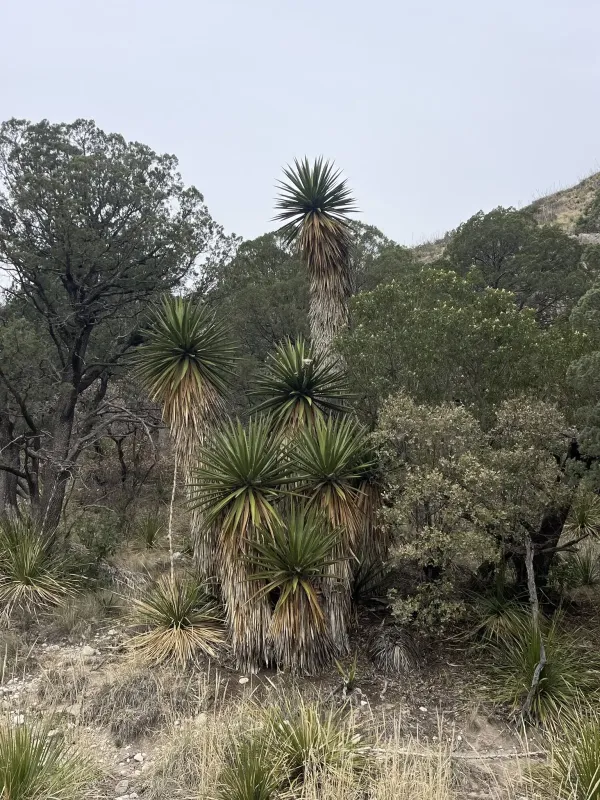
Botanically, this species is characterized by a thick, often solitary trunk that can grow up to 6 meters in height. The foliage consists of stiff, sword-shaped leaves that form a dense, symmetrical rosette, which provides a striking visual impact in gardens and naturalistic desert-themed landscapes.
For successful growth, Faxon yucca requires full sun exposure and well-draining, gritty soils. It is highly adapted to arid conditions and struggles in heavy, moisture-retentive soils that do not allow for rapid drying of the root system after rainfall or occasional irrigation.
Climate requirements for this yucca include hot, dry summers and cool, dry winters. While it demonstrates significant cold hardiness, protecting the plant from excessive winter humidity is crucial, as moisture trapped between the leaves or at the base can lead to decay during cold months.
Agronomic maintenance is relatively low, focusing primarily on ensuring proper aeration and preventing competitive weed growth in the immediate vicinity of the root zone. Regular pruning of old, dead leaves is recommended to improve airflow and enhance the aesthetic quality of the specimen.
Yield
The primary utility of Faxon yucca lies in ornamental landscaping and xeriscaping. Due to its exceptional drought tolerance and slow growth rate, it is highly valued as a sustainable plant choice for urban planning in arid regions, reducing the need for intensive irrigation systems.
In a horticultural context, the yield is defined by the production of high-quality container-grown plants ready for landscape installation. Propagation is often achieved through seeds or suckers, requiring patience due to the plant's naturally deliberate pace of development.
While historically some yucca fibers have been utilized in textile production, this is not a commercial focus for this specific species. Instead, the plant provides vital ecological services in its native habitats by supporting desert pollinators and providing structural habitat for local fauna.
Commercial nurseries categorize Faxon yucca as a premium landscape specimen. The economic value is tied to the age and size of the plant, with older, taller specimens commanding higher prices due to the multi-year cycle required to produce such significant architectural structures.
Future development in the nursery trade involves increasing the availability of this species through sustainable propagation methods, ensuring that demand for native desert plants can be met without negatively impacting wild populations in their original arid ecosystems.
Main diseases and pests
The most significant threat to Faxon yucca is root rot caused by improper watering practices or poorly draining soil. When the substrate remains saturated for extended periods, the plant’s root system becomes highly susceptible to fungal pathogens that lead to rapid collapse.
Insect pests, particularly scale insects and mealybugs, represent a common challenge. These pests congregate near the base of the leaves and in the crevices of the rosette, where they feed on sap, weakening the plant and encouraging the growth of sooty mold on the foliage.
Leaf spot diseases, induced by persistent humidity or lack of airflow, can create unsightly blemishes and reduce the plant's overall vigor. Monitoring foliage health is essential, especially after unseasonably wet weather, to prevent the spread of fungal infections across the plant's canopy.
Spider mites can become an issue during periods of intense heat and low humidity, especially in confined planting areas. Regular inspection and the application of horticultural soaps or specific miticides are effective strategies for maintaining plant health in high-stress environments.
Effective management against threats relies on cultural practices: providing excellent drainage, ensuring adequate sunlight, and maintaining good site hygiene. By keeping the base of the plant free from organic debris, cultivators can significantly reduce the risk of pests and diseases.