
Furcraea foetida
Furcraea foetida
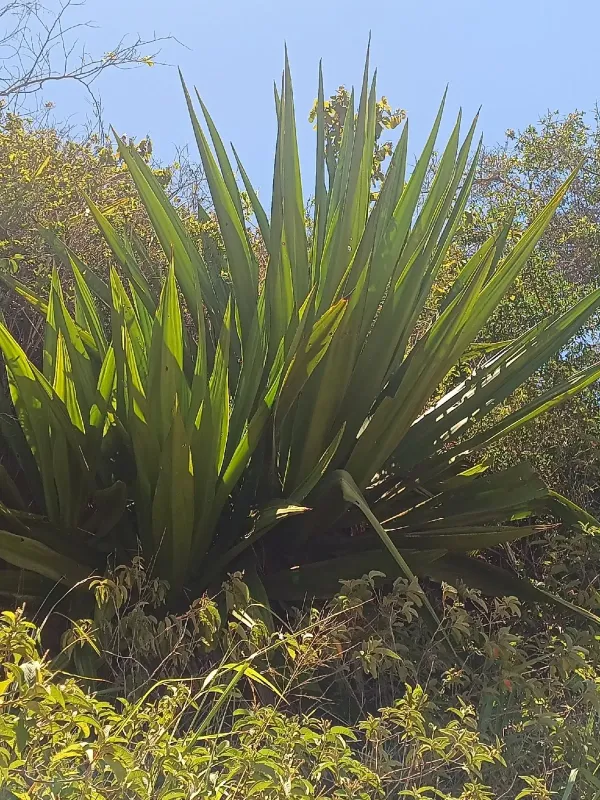
Description
Growing requirements
Furcraea foetida is a perennial succulent plant belonging to the Asparagaceae family. Often confused with Agave, it features a large basal rosette of sword-shaped leaves that can reach lengths of over two meters, containing valuable fibrous tissues.
Originating from the tropical regions of South America and the Caribbean, the plant has been naturalized in various tropical zones across Africa and Asia. It is highly valued as a hardy crop capable of thriving in marginal soils that are unsuitable for traditional agriculture.
The plant requires a strictly tropical or subtropical climate, as it is highly sensitive to frost. Full sun exposure is essential for optimal growth, making open, well-exposed fields the preferred choice for commercial plantations.
Furcraea foetida is exceptionally drought-tolerant once established. However, for maximum fiber yield, moderate rainfall during the vegetative growth phase is beneficial. Soils must be well-drained, as waterlogging is the primary cause of root failure in this species.
Standard agrotechnical preparation includes ensuring proper soil aeration and a neutral or slightly acidic pH balance. The plant responds well to controlled fertilization, particularly with potassium, which enhances the tensile strength of the leaf fibers.
Main diseases and pests
Furcraea foetida is naturally resistant to many common agricultural pests and diseases, largely due to the presence of secondary metabolites such as saponins within its leaves, which act as a natural defense mechanism.
The most significant threat to a healthy plantation is root rot, typically caused by poor soil drainage. When the roots are saturated with water for extended periods, the plant becomes highly susceptible to fungal infections that can destroy the entire rosette.
Minor pest issues may include scale insects, which can affect the leaves if the plant is stressed or grown in poorly ventilated conditions. Monitoring and keeping the plants spaced correctly generally mitigates these issues without needing heavy pesticide use.
Mechanical injury to the leaves during harvest or maintenance can serve as an entry point for pathogens. Proper sanitization of tools used during the decortication and harvesting process is recommended to prevent the spread of disease between plants.
In certain ecosystems, the plant can become invasive if not managed correctly. Responsible cultivation involves keeping the plant within designated plantation boundaries to protect local biodiversity from over-colonization.
Harvesting
The primary economic use of Furcraea foetida is for its high-quality fiber, known in trade as "Mauritius hemp." This fiber is extracted from the leaves through a process called decortication, which separates the hard fibers from the surrounding vegetable pulp.
The extracted fiber is renowned for its durability and resistance to saltwater, making it a preferred material for manufacturing marine ropes, fishing nets, cordage, and heavy-duty agricultural sacks. It serves as a sustainable, natural alternative to synthetic fibers.
Harvesting usually begins when the plant reaches maturity, typically between three and four years after planting. Sustainable harvesting practices involve removing mature leaves at the base, allowing the plant to remain productive for many years.
Immediate processing after harvest is crucial to maintain fiber quality. Modern decortication machinery is widely used to ensure high output and consistency, preventing the degradation of the raw material caused by moisture-induced fermentation.
Beyond its industrial fiber value, the plant plays a role in environmental stabilization. Its robust root system is highly effective at preventing soil erosion on steep tropical hillsides where other crops would fail to anchor the topsoil.