
Furcraea hexapetala
Furcraea hexapetala
Description
Growing requirements
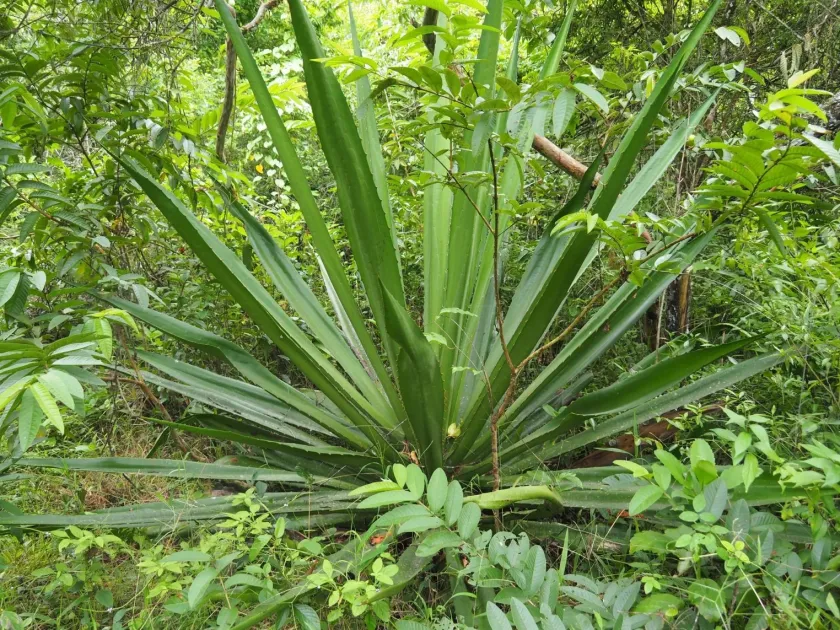
Furcraea hexapetala is a robust perennial succulent belonging to the Asparagaceae family. Native to tropical regions of the Americas, it is widely recognized for its impressive leaf structure and potential as a commercial fiber producer.
The plant thrives in warm tropical climates where temperatures remain consistently high. It requires well-drained soil, as the roots are highly susceptible to rot if exposed to waterlogged conditions for extended periods of time.
Soil fertility plays a significant role in the development of healthy leaves. While the plant can tolerate poor soils, incorporating organic matter and maintaining optimal drainage will significantly boost leaf production and fiber quality.
Exposure to full sunlight is essential for optimal photosynthesis and the accumulation of chemical compounds within the leaves. Shade-grown plants tend to produce fewer leaves and thinner fiber compared to those in open, sunny fields.
Propagation is primarily vegetative. The plant produces aerial bulbils on its tall flower stalks, which are collected and planted in nurseries before being transplanted to the main production fields.
Yield
The primary economic output of Furcraea hexapetala is its natural fiber, which is known for its high tensile strength and resistance to humidity and salt water. This makes it an ideal raw material for maritime ropes and heavy-duty twine.
Harvesting usually commences three to four years after planting. Farmers selectively harvest the mature outer leaves, leaving the inner younger leaves to continue growing, which allows for a multi-year harvest cycle from the same plant.
Processing the leaves requires mechanical decortication to extract the fiber from the pulp. The speed and efficiency of this process are key factors in determining the overall profitability of a commercial plantation.
Beyond fiber, the chemical compounds known as sapogenins can be extracted from the plant. These act as precursors for the synthesis of various steroidal drugs in the pharmaceutical industry, adding secondary value to the crop.
Continuous monitoring of plant health and nutrient status is necessary to maintain yields. Proper fertilization schedules based on soil testing can significantly extend the productive lifespan of a plantation.
Main diseases and pests
Disease pressure in Furcraea plantations is generally low, provided that drainage is managed properly. Over-irrigation or high rainfall in poorly drained sites typically leads to fungal root rot, the most serious threat to crop longevity.
Insect pests, including various species of mites and weevils, can infest the succulent leaves. These pests are generally managed through biological controls or targeted application of agricultural chemicals during the early stages of an outbreak.
Soil-borne nematodes are another factor that can restrict root development. Pre-planting field preparation and the use of pest-free propagation material are the most effective ways to mitigate the risk of nematode infestation.
Weed management is critical during the establishment phase of a new plantation. Weeds compete for nutrients and moisture, and their presence can significantly slow down the growth rate of young Furcraea plants.
Routine inspections are advised to identify the early symptoms of leaf spot diseases or pest damage. Rapid removal of infected foliage helps prevent the spread of pathogens across the entire field.