
Eucomis humilis
Eucomis humilis
Description
Growing requirements
Eucomis humilis, commonly known as a member of the pineapple lily family, belongs to the Asparagaceae family. Originating from the mountainous regions of South Africa, this species is noted for being one of the most cold-hardy varieties within its genus, adapting well to cooler highland climates.
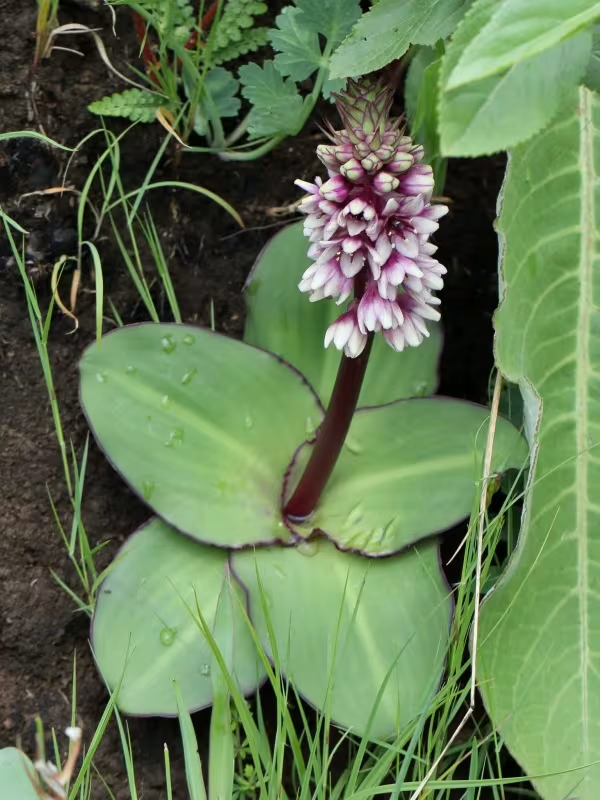
Botanically, this perennial plant features a basal rosette of lance-shaped leaves and a sturdy central spike. The inflorescence is a cylindrical raceme topped with a crown of leaf-like bracts, giving the plant its distinct pineapple-like appearance, which serves as a specialized feature for attracting pollinators.
For optimal growth, Eucomis humilis requires a sunny, sheltered location with fertile, well-draining soil. It thrives in loamy substrates where water does not accumulate, as the succulent-like bulb is prone to rotting if kept in saturated conditions for extended periods of time.
Cultivation practices involve regular irrigation throughout the growing season, particularly during the flowering phase. In regions with freezing winters, it is recommended to plant the bulbs in containers that can be moved indoors, or to mulch heavily to protect the bulbs from deep soil frost.
The primary use of this culture is ornamental. It is frequently employed in rock gardens, perennial borders, and as a container plant for patios. The long-lasting blooms and unique foliage structure make it a highly desirable choice for landscaping and cut flower arrangements.
Main diseases and pests
The most common threat to Eucomis humilis is fungal rot, specifically root and bulb rot caused by poor soil drainage and waterlogging. Ensuring the soil is light and porous, often supplemented with grit or coarse sand, is essential to mitigate these risks during the dormancy period.
Pests that frequently target the foliage include slugs and snails, which can significantly damage leaves during the spring. Additionally, indoor or greenhouse-grown plants may occasionally face infestations of aphids or spider mites, which should be managed through monitoring and appropriate horticultural practices.