
Eucomis hybrids
Eucomis hybrids
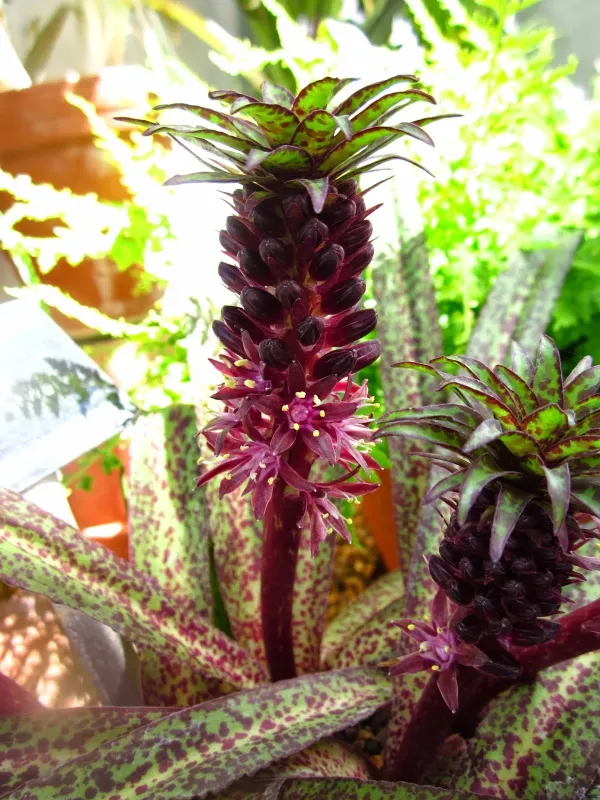
Description
Sowing dates
Planting Eucomis hybrids bulbs in open ground should be carried out in late spring, once the soil has warmed significantly and the risk of frost has completely passed. In many climates, this is usually between May and June, ensuring the soil temperature is suitable for bulb activation.
For gardeners looking to extend the growing season, starting the bulbs in pots indoors in early spring is an excellent strategy. By planting them in containers in March or April, you can ensure the plants are well-established before transferring them to their permanent outdoor location.
Choose a planting site that receives full sun, although light afternoon shade is acceptable in regions with extremely hot summers. Proper spacing of 25–30 cm between bulbs is critical to ensure adequate air circulation and prevent the development of foliage diseases.
When planting, set the bulbs at a depth of approximately 8–10 cm. The soil must be loose and enriched with organic matter. If the soil is heavy or prone to waterlogging, amending it with coarse sand or horticultural grit is essential to ensure drainage.
For container-grown Eucomis, ensure that the pot has large drainage holes at the bottom. The potting mix should be well-draining, such as a blend of potting soil, perlite, and coarse sand, which mimics the natural conditions of their native African habitats.
Growing requirements
Eucomis hybrids belong to the Asparagaceae family and are commonly known as pineapple lilies. These ornamental perennials are prized for their unique, crown-like inflorescences that resemble the top of a pineapple, making them a centerpiece in any garden border.
These plants require moderate to high light levels to maintain their compact and upright growth habit. In terms of moisture, they need consistent watering during their growing phase but must have a period of slightly drier soil between applications to prevent bulb rot.
Fertilization is key to producing vibrant flowers. Using a balanced, water-soluble fertilizer every two weeks during the active growth period promotes both leaf development and stronger stalks. Once the flowering period ends, feeding should be reduced to help the plant store energy.
In colder regions, Eucomis bulbs are not winter-hardy and must be lifted from the ground after the foliage begins to yellow in autumn. Clean the bulbs gently, remove excess soil, and allow them to cure before storing them in a cool, dry, and dark environment.
The ideal storage temperature for dormant bulbs is between 5°C and 10°C. Storing them in breathable bags or boxes filled with dry peat or sand helps maintain the necessary hydration levels without encouraging fungal growth throughout the winter months.
Main diseases and pests
The most significant threat to Eucomis hybrids is fungal rot, which often occurs due to excessive moisture in the root zone or poor air circulation. Ensuring well-draining soil and avoiding over-irrigation are the best preventative measures for maintaining healthy bulbs.
Pests such as aphids and spider mites can attack the lush foliage during dry, hot spells. If an infestation occurs, affected plants should be treated with horticultural soap or systemic insecticides, ensuring that the undersides of the leaves are thoroughly covered.
Slugs and snails can cause cosmetic and structural damage, especially to the tender young shoots emerging in spring. Implementing protective barriers, such as copper tape or crushed eggshells, can help deter these pests from the growing site.
Root-knot nematodes can weaken the plant, causing stunted growth and yellowing of the leaves. Since there are few chemical controls available for home gardeners, prevention through the use of clean, certified planting stock and crop rotation is the primary strategy.
During the dormant storage period, be vigilant for signs of mold or rot on the bulbs. Any bulb showing soft spots or fungal growth should be immediately discarded to prevent the spread of disease to the rest of the healthy stored crop.