
Eucomis regia
Eucomis regia
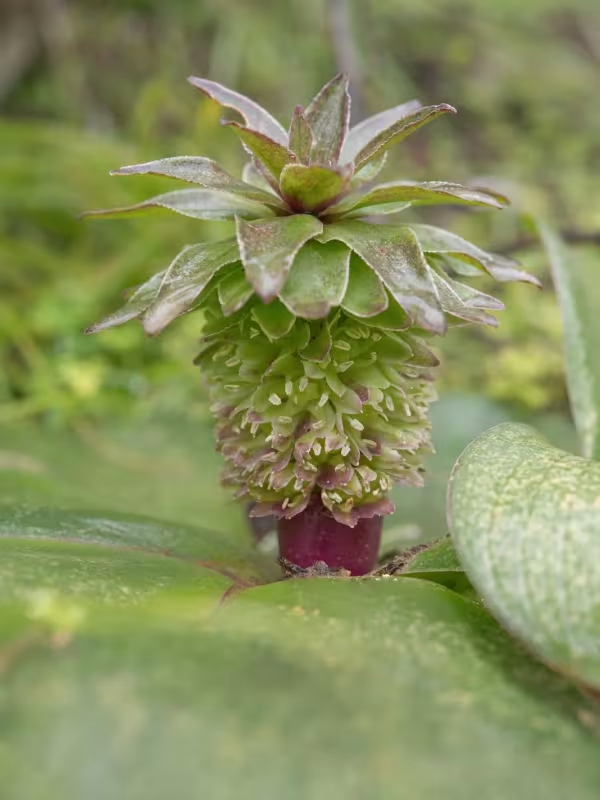
Description
Sowing dates
Planting Eucomis regia bulbs is typically done in the spring once the danger of frost has passed and soil temperatures have risen. In most regions, the ideal time for outdoor planting is late April or early May.
Bulbs should be placed at a depth of about 10 to 15 centimeters, ensuring a spacing of 20 to 30 centimeters between plants. Proper spacing is essential to accommodate the plant's basal rosette of leaves and ensure adequate air circulation.
For container gardening, planting can begin indoors in late winter or early spring. Using a well-draining potting mix allows the bulbs to establish a strong root system before being moved outdoors to a sunny patio.
Applying a layer of grit or coarse sand at the bottom of the planting hole is highly recommended. This practice ensures excellent drainage, which is the most critical factor for the long-term success of the bulb.
Propagation from seeds is possible but requires patience. Seeds should be sown in a light, moist substrate immediately after ripening, keeping them in a warm environment until germination occurs.
Growing requirements
Eucomis regia belongs to the Asparagaceae family and is native to the Cape region of South Africa. As a heat-loving plant, it thrives in full sun exposure, which is necessary for the development of its signature "crowned" inflorescences.
The soil must be fertile, rich in organic matter, and, most importantly, very well-draining. Heavy or waterlogged soils are detrimental to this species, often causing the bulbs to rot during the growing season.
Regular fertilization with a balanced liquid fertilizer during the peak growing season helps to encourage vigorous foliage growth and promotes the production of robust, large flower spikes.
Watering should be generous during the flowering period, yet the soil should never remain soggy. Once the flowering cycle concludes, watering should be gradually reduced to allow the plant to enter its natural dormancy.
In cold climates, Eucomis regia is not winter-hardy and must be protected. The bulbs should be lifted from the ground in autumn, cleaned, and stored in a cool, dry environment until the following spring.
Main diseases and pests
The primary threat to Eucomis regia is fungal rot, which typically develops in poorly drained soil or due to excessive humidity. Ensuring soil aeration is the most effective preventative measure against bulb rot.
Slugs and snails are common pests that feed on the fleshy leaves of the plant. Using physical barriers or organic molluscicides around the base of the plant can significantly reduce leaf damage.
Aphids may sometimes infest the developing flower spikes, sucking sap and weakening the plant. If an infestation is detected, a mild insecticidal soap can be used to manage the population effectively.
Root-knot nematodes can potentially damage the root system. Maintaining soil health and using certified, disease-free bulbs for new plantings are crucial steps in avoiding these microscopic pests.
Good garden hygiene, including the removal of dead foliage at the end of the season, helps prevent the overwintering of pathogens that could affect the plant’s health in the next growing season.
Harvesting
For cut flower arrangements, the flower spikes should be harvested when about half of the individual florets have opened. The stems are quite sturdy and provide excellent vase life in floral displays.
After the flowers have faded, the spent flower stalks should be cut back to the base of the plant. This prevents seed set and directs energy back into the bulb for next year’s growth.
When the leaves begin to yellow and wither in late autumn, it is a sign that the plant is entering dormancy. This is the optimal time to harvest the bulbs from the ground for storage.
The harvested bulbs should be gently cleaned of soil and air-dried in a shaded, well-ventilated area for a few days. Proper drying prevents the development of mold during the storage period.
Store the bulbs in crates filled with dry peat or sand in a frost-free location with a temperature of approximately 10 to 12 degrees Celsius. Regular checks throughout the winter will ensure the bulbs remain healthy.