
Eucomis montana
Eucomis montana
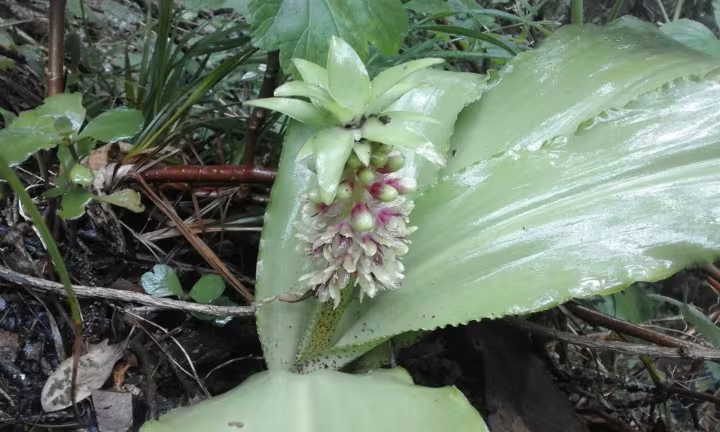
Description
Sowing dates
Planting Eucomis montana bulbs should occur in the spring, once all danger of frost has passed and soil temperatures have consistently reached 15 degrees Celsius. In cooler regions, starting bulbs in pots indoors during late winter is highly recommended.
Set the bulbs into the soil at a depth of approximately 10 to 12 centimeters. Ensure that the soil is loose and friable to allow the developing root system to penetrate easily without encountering compacted obstacles.
Space the bulbs 25 to 30 centimeters apart to ensure adequate airflow between the developing foliage. Proper spacing is a key factor in preventing moisture buildup at the base of the plant, which is critical for long-term health.
Choose a planting site that receives full sun to light shade throughout the day. While Eucomis montana can tolerate partial shade, full exposure to sunlight promotes stronger, more rigid flower spikes that are less prone to lodging.
Prior to planting, verify that the site has excellent drainage capabilities. If your garden soil is heavy clay, integrate significant amounts of grit or organic matter to improve aeration and prevent the bulbs from sitting in water-logged soil.
Growing requirements
Eucomis montana belongs to the Asparagaceae family and is a mountain-dwelling species native to the high altitudes of Southern Africa. This heritage makes it well-suited to gardens that can provide temperate conditions and sharp drainage.
During the growing season, provide consistent moisture to the plant, ensuring the soil remains evenly damp but never saturated. Overwatering is the most frequent mistake in cultivation, leading to rapid decline of the bulbous rootstock.
Apply a balanced liquid fertilizer every two weeks during the active growth phase, focusing on formulations that support flower production. Cease all fertilization in late summer as the plant begins to transition towards its dormant phase.
The ideal soil for this species is nutrient-rich, well-structured, and slightly acidic to neutral in pH. Annual application of well-rotted compost or leaf mold into the topsoil will provide necessary nutrients and maintain soil structure.
Winter care involves lifting the bulbs if the ground freezes. Store them in a cool, dark, and dry environment, such as a basement or garage, ensuring the storage temperature stays above the freezing point, ideally around 5 to 10 degrees.
Main diseases and pests
Fungal infections, such as bulb rot or basal rot, are the primary threats to Eucomis montana. These conditions are almost always linked to poor drainage or overly frequent irrigation in cool soil conditions.
Slugs and snails are major pests that target the lush, succulent foliage of the plant during wet spells. The use of organic bait or copper barriers around the planting site can effectively manage and reduce pest damage.
Aphids may occasionally appear on the flower spikes, sucking the plant's sap and potentially transmitting viral diseases. If infestations are spotted, treat them promptly with an insecticidal soap or a mild systemic insecticide.
To keep the bulb stock healthy, practice good sanitation by removing any yellowing or diseased leaves immediately. Do not leave plant debris around the base of the bulb during the dormant season, as this encourages fungal growth.
Proper inspection of stored bulbs is essential. If you notice any soft spots or suspicious discoloration on the bulb surface during the winter, discard these bulbs immediately to prevent the spread of pathogens to the rest of your collection.