
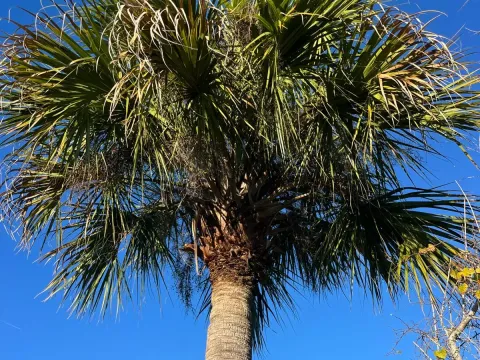
Sabal
Sabal
Sabal is a genus of perennial palms belonging to the Arecaceae family, typically propagated through seeds that should be sown immediately after harvesting.
What the section contains
 Bermuda palmetto
Sabal bermudana
Bermuda palmetto
Sabal bermudana
 Cabbage palmetto
Sabal palmetto
Cabbage palmetto
Sabal palmetto
 Dwarf palmetto
Sabal minor
Dwarf palmetto
Sabal minor
 Hispaniolan palmetto
Sabal domingensis
Hispaniolan palmetto
Sabal domingensis
 Mexican palmetto
Sabal mexicana
Mexican palmetto
Sabal mexicana
 Sabal causiarum
Sabal causiarum
Sabal causiarum
 Sabal etonia
Sabal etonia
Sabal etonia
 Sabal maritima
Sabal maritima
Sabal maritima
 Sabal mauritiiformis
Sabal mauritiiformis
Sabal mauritiiformis
 Sabal rosei
Sabal rosei
Sabal rosei
Sabal
For optimal germination, use a well-draining, lightweight substrate rich in peat moss and perlite to maintain consistent moisture levels.
The seeds require warm conditions, with temperatures ranging between 25 and 30 degrees Celsius, to successfully sprout and develop.
Germination is often a slow process, sometimes taking several months to a year depending on the specific species and seed freshness.
Young seedlings must be carefully transplanted into individual containers to ensure their sensitive root systems remain intact during growth.
These plants thrive in tropical and subtropical climates, requiring significant warmth and protection from extreme frost during their early development.
While mature palms prefer full sun exposure, younger plants often benefit from partial shade to prevent leaf scorching during the peak heat of the day.
Sabal prefers fertile, moisture-retentive, yet well-drained loamy soils with a neutral to slightly acidic pH for optimal growth.
The palm is naturally adapted to wetlands and can withstand temporary flooding, making it suitable for areas with high soil moisture.
Despite their affinity for moisture, established palms possess deep root systems that allow them to endure periods of moderate drought.
The agricultural yield of Sabal is primarily determined by fruit production, which is a vital raw material for the pharmaceutical and supplement industries.
Commercial harvesting of fruit typically begins only after the plant reaches a mature age, often between 7 and 10 years after initial planting.
Total yields are highly dependent on environmental factors such as sunlight, soil quality, and the strategic application of fertilizers throughout the season.
Besides fruit, the leaves are harvested for their strong fibers, which are used in traditional basket weaving and natural roofing materials.
Regular maintenance, including the removal of dead fronds, improves overall plant vitality and helps maintain stable yields over the long term.
The most common threats include fungal infections such as leaf spot, which are exacerbated by high humidity and poor air circulation.
Pests like the palm weevil and mealybugs are major concerns, as they target the growth points and trunk, potentially causing irreversible damage.
Root rot frequently occurs in poorly drained soils where water stagnation is present, requiring immediate adjustment of soil management practices.
Nutrient deficiencies, particularly involving magnesium or iron, are common and can be identified by the chlorosis appearing on the leaf blades.
Integrated pest management, including regular inspections and the application of appropriate fungicides, is crucial for maintaining healthy plantations.
Fruit harvesting is performed manually once the berries reach full maturity, indicated by a deep black or dark purple coloration.
Precise timing of the harvest is essential to ensure that the active pharmaceutical components in the fruit are at their peak concentration.
Once gathered, the fruit clusters must be dried in well-ventilated areas to prevent fungal growth and maintain the quality of the harvested produce.
Leaf harvesting involves carefully cutting the fronds at the base of the trunk, ensuring that no damage is done to the central growth apex.
Proper post-harvest storage under temperature-controlled conditions is vital for preserving the chemical properties and commercial value of the crop.