
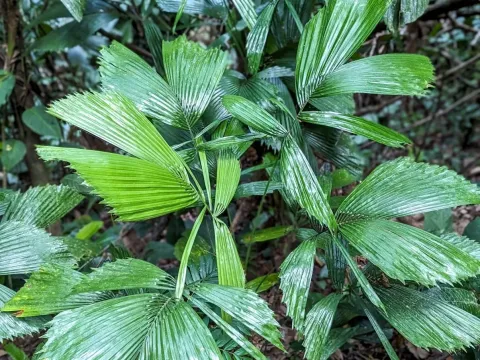
Reinhardtia
Reinhardtia
Reinhardtia is a genus of palms belonging to the family Arecaceae, native to the tropical rainforests of Central America and Mexico. These understory palms are highly valued for their unique, often split or windowed leaf structure.
What the section contains


Reinhardtia
The cultivation of Reinhardtia requires a stable, warm environment with high humidity levels, ideally above 70 percent. They are sensitive to cold drafts and should be kept away from direct heating or cooling sources.
The soil requirements focus on moisture retention and aeration. A well-draining potting mix composed of peat moss, pine bark, and perlite provides the necessary structure to support the root system while preventing compaction.
Light management is crucial, as Reinhardtia thrives in filtered, indirect light. Direct sunlight exposure can quickly damage the foliage, leading to yellowing or brown necrotic spots that compromise the health of the plant.
Regular watering is essential, but the surface of the soil should be allowed to dry slightly between sessions. Overwatering is the most common cause of decline, as it prevents the roots from accessing sufficient oxygen.
Common pests affecting Reinhardtia include spider mites, mealybugs, and scale insects. These pests often thrive in environments with low humidity, making frequent monitoring of leaf undersides a critical maintenance task.
Fungal diseases are a primary concern, particularly root rot, which occurs when plants are kept in soggy, anaerobic soil conditions. Symptoms include stunted growth and rapid wilting of the fronds.
Preventative measures involve maintaining proper air circulation to prevent fungal spores from settling on foliage. Keeping the growing area clean and free of decaying organic matter helps reduce the risk of infestation.
Chemical control should be approached with caution, utilizing selective miticides or systemic insecticides only when necessary. Always follow the manufacturer’s dilution rates to avoid phytotoxicity on the palm's delicate leaves.
Regular inspection is the best defense against threats. Early detection allows for physical removal of pests or targeted application of treatments, ensuring that the plant remains healthy and continues to grow vigorously.