
Bermuda palmetto
Sabal bermudana
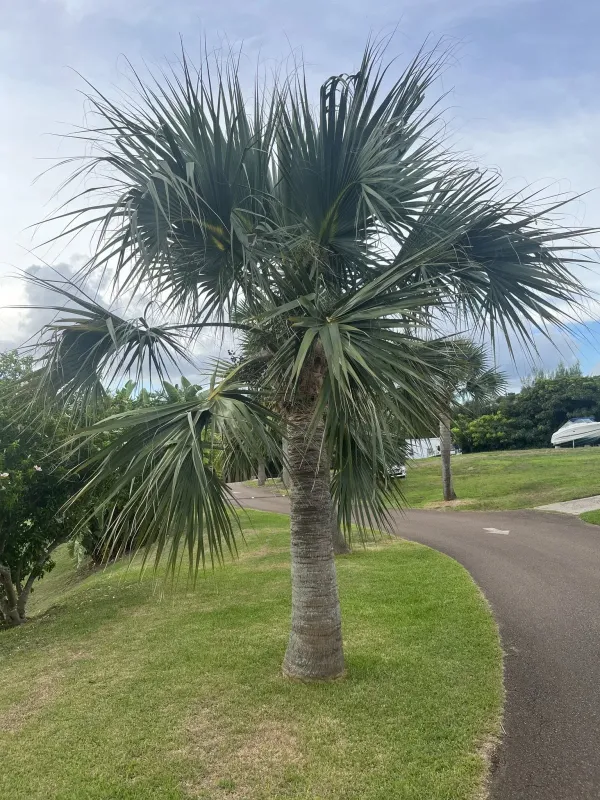
Description
Growing requirements
The Bermuda palmetto (Sabal bermudana) is a long-lived, slow-growing palm species belonging to the Arecaceae family. Native exclusively to Bermuda, this tree is highly regarded for its majestic appearance and its resilience in challenging coastal environments.
The species requires full sun exposure to maintain its compact and robust growth habit. It is remarkably adaptable to various soil types, including alkaline and sandy soils, provided they offer efficient drainage to prevent waterlogging around the roots.
In terms of climate, it is one of the hardier species of the genus, capable of tolerating light frosts down to approximately -8°C once established. It thrives in warm, humid subtropical regions but can be managed as a container plant in temperate zones.
Watering requirements are moderate. While the plant is drought-tolerant once mature, it performs best when provided with consistent moisture during the growing season. In containers, one must ensure the soil dries slightly between waterings to prevent root stress.
Economically and ornamentally, this palm is used in landscaping as a specimen tree or in large clusters. Its historical use included the production of "palmetto plait" for hats and baskets, showcasing its cultural significance alongside its aesthetic value.
Main diseases and pests
Scale insects and mealybugs are the most common pests affecting this palm. They typically cluster on the fronds or at the base of the stems, sucking plant fluids and often leading to sooty mold growth on the leaf surfaces.
Fungal leaf spots can occur, particularly in humid or overcrowded conditions with poor air circulation. Removing infected fronds and improving environmental conditions are essential steps to controlling these issues.
Root rot is a major risk, especially for young palms or those grown in poorly drained soil. Symptoms include yellowing leaves and a lack of new growth, which often indicates the need for immediate drainage correction.
Spider mites can be problematic in dry, indoor environments or during hot, arid periods in the garden. Increasing humidity levels around the plant and regular foliage cleaning are effective preventative measures.
Maintaining proper nutrient levels is crucial for disease resistance. A slow-release fertilizer rich in micronutrients specifically formulated for palms will help prevent physiological disorders and ensure vigorous, healthy foliage growth.