
Sabal rosei
Sabal rosei
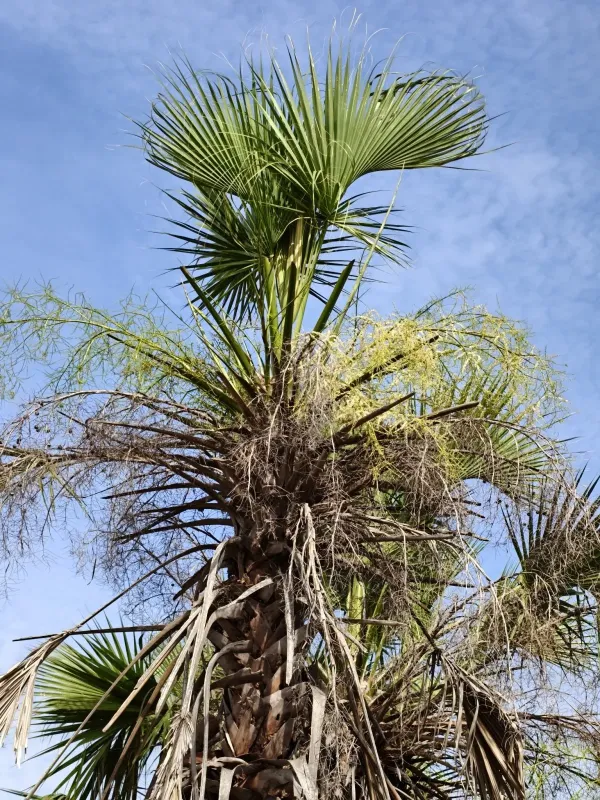
Description
Growing requirements
Sabal rosei is a species of fan palm belonging to the Arecaceae family. This distinct plant is recognized for its robust growth habit and characteristic large, fan-shaped leaves, which serve as a hallmark of its botanical identity within the genus.
The native range of this species is primarily located in Mexico. It typically thrives in tropical and subtropical regions, where it has adapted to specific climatic conditions characterized by periodic rainfall and high solar radiation throughout the year.
Cultivation requirements necessitate well-drained, nutrient-rich soil. While the species is somewhat versatile, it performs optimally in soils that allow for aeration, preventing the root rot that often occurs in compacted or waterlogged environments.
In terms of climatic conditions, Sabal rosei is best suited for environments with warm temperatures. It exhibits a certain degree of resilience to minor fluctuations in temperature, yet it remains sensitive to hard, prolonged freezes that can impact structural health.
Agronomic practices focus heavily on irrigation management and nutritional support. Consistent moisture is crucial for juvenile plants, whereas established palms exhibit improved tolerance to dry spells due to their extensive and efficient root systems.
Harvesting
The primary economic and practical application of Sabal rosei lies within the ornamental horticulture and landscaping sectors. Its structural beauty makes it a preferred choice for parks, botanical gardens, and high-end residential landscaping.
Seed harvesting is the standard reproductive practice. Collectors must monitor the fruit maturity, typically waiting until the berries reach a deep color, which indicates that the embryo is fully developed and viable for germination.
Maintenance involves routine sanitation, specifically the removal of desiccated or damaged fronds. This not only maintains the aesthetic appeal of the plant but also reduces the risk of pest colonization and fungal development within the canopy base.
Landscaping usage requires careful planning regarding spacing. Given the potential size of the palm at maturity, adequate distance from infrastructure and other planting blocks must be maintained to ensure long-term health and structural integrity.
Professional nursery production focuses on controlled germination environments. By providing consistent humidity and heat, cultivators ensure a higher success rate in growing healthy, vigorous specimens that are suitable for transplanting into permanent garden locations.