
Mexican palmetto
Sabal mexicana
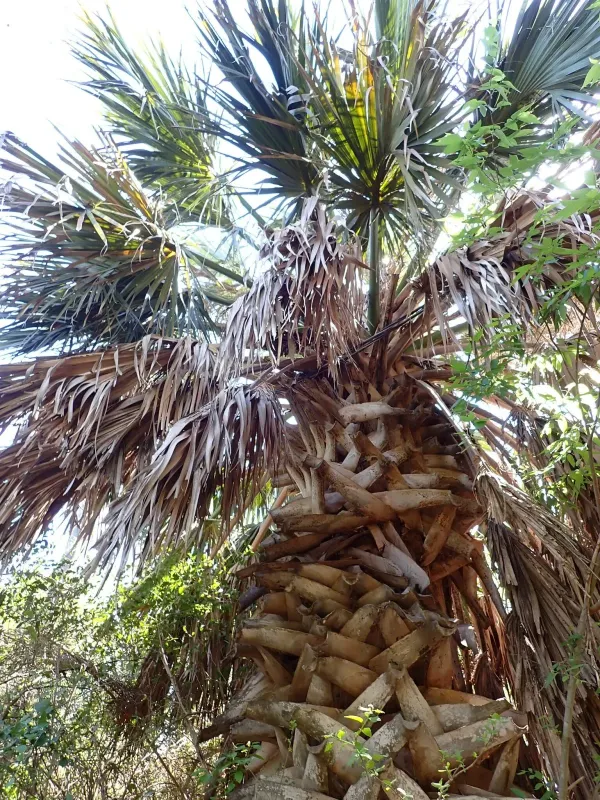
Description
Growing requirements
The Mexican palmetto (Sabal mexicana) is a robust species of fan palm belonging to the Arecaceae family. It is recognized for its thick, sturdy trunk and large, fan-shaped fronds that add a distinct tropical aesthetic to any landscape.
Native to Mexico and Central America, this species is well-adapted to various climates, ranging from semi-arid to humid regions. Its natural resilience makes it a popular choice for sustainable urban forestry and ornamental gardening in frost-free zones.
The cultural requirements for Sabal mexicana include full sun exposure to promote dense growth. While it is adaptable, it thrives best in deep, fertile soils that provide sufficient moisture retention without becoming waterlogged.
Regarding climate, this palm is known for its impressive cold tolerance compared to other tropical species. It can withstand short-term freezing temperatures, which expands its range beyond strictly tropical latitudes.
Agrotechnical maintenance primarily involves irrigation during the establishment phase. Once mature, the plant becomes highly drought-tolerant, requiring minimal intervention other than periodic mulching and the removal of dried-out lower fronds.
Main diseases and pests
Common pests affecting Sabal mexicana include scales and mealybugs. These insects often cluster on the undersides of leaves, and if left untreated, they can cause yellowing and stunted growth of the palm fronds.
Fungal pathogens such as leaf spot are significant threats, especially in areas with poor air circulation or excessive rainfall. These diseases manifest as unsightly necrotic lesions on the leaves, which can reduce the plant's photosynthetic capacity.
Root rot is the most serious threat, usually caused by overwatering or poor drainage systems in the soil. It is notoriously difficult to cure once established, making prevention through soil management the primary strategy.
Nutritional deficiencies, specifically a lack of potassium or magnesium, can also weaken the tree. Such deficiencies often present as leaf tip necrosis or chlorosis, making the tree more susceptible to secondary insect attacks.
Regular monitoring of the crown and heart of the palm is essential. Using specialized horticultural oils or systemic insecticides can help manage pest outbreaks before they lead to structural damage of the growing point.