
Sabal maritima
Sabal maritima
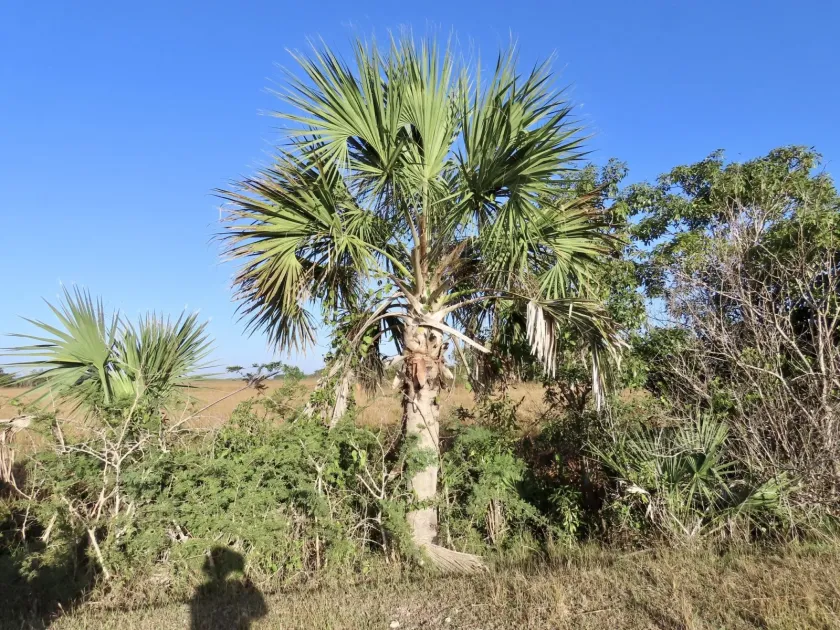
Description
Growing requirements
Sabal maritima is a prominent species of fan palm belonging to the Arecaceae family. It is native to the Caribbean, specifically found in Cuba and Jamaica, where it thrives in coastal tropical environments.
This palm prefers full sun exposure to maintain its vigorous growth and structural integrity. It is well-adapted to warm climates and requires consistent warmth to reach its maximum height, which can be significant in optimal conditions.
The ideal soil for this species is well-draining, nutrient-rich, and slightly acidic to neutral. While it is somewhat drought-tolerant once established, regular irrigation during the growing season will significantly enhance the aesthetic quality of its fronds.
In landscaping, Sabal maritima serves as an impressive architectural element. Its massive trunk and large, semi-circular fan leaves provide an instant tropical aesthetic, making it a favorite for public parks and private estates.
Historically and commercially, the leaves of this palm are highly valued for their strength and durability. They are traditionally harvested to produce thatched roofs, woven baskets, hats, and various artisanal crafts in its native range.
Main diseases and pests
Common pests affecting this palm include scale insects and mealybugs, which tend to congregate on the leaf stems and near the crown. Periodic inspection and systemic treatments are effective in keeping these pests at bay.
Root rot is a significant threat caused by poor soil drainage. Ensuring that the planting site or container has excellent drainage properties is critical to preventing the decline of the plant due to waterlogging.
Leaf spot fungi can develop during periods of high humidity and poor air circulation. To mitigate this risk, it is important to plant the palm in areas with adequate space and sunlight to promote rapid drying of the foliage after rain.
The palm weevil is a more serious pest that can bore into the trunk and crown, potentially causing fatal damage. Implementing preventative monitoring or professional pest management is advisable in regions where this insect is prevalent.
Regular maintenance, including the removal of old, dried fronds, not only improves the visual appeal but also reduces the hiding spots for various pests and minimizes the accumulation of organic debris that can harbor fungal spores.