
Sabal causiarum
Sabal causiarum
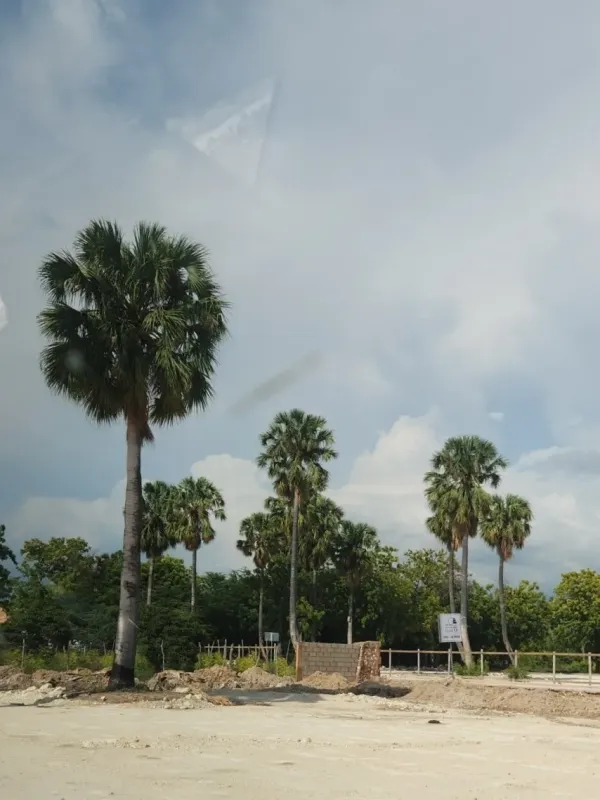
Description
Growing requirements
Sabal causiarum, commonly known as the Puerto Rican Hat Palm, is a robust member of the Arecaceae family. This species is native to Puerto Rico and the Virgin Islands, where it thrives in diverse tropical landscapes, ranging from coastal areas to inland hills.
The plant demands full sun exposure to maintain its vigorous growth rate and structural integrity. A lack of sunlight typically results in stunted palm development and softer, less durable foliage, which is undesirable for commercial or landscape applications.
Regarding soil requirements, Sabal causiarum is highly adaptable. It performs exceptionally well in sandy, nutrient-poor soils, as well as in heavier loam substrates. The primary requirement for soil health is adequate drainage to prevent root asphyxiation during periods of heavy rainfall.
Temperature tolerance is a significant attribute of this palm. While it flourishes in tropical climates with average temperatures ranging from 20 to 30 degrees Celsius, it exhibits a degree of cold hardiness that exceeds many other tropical species, making it a reliable choice for warm temperate zones.
Watering strategies for this culture should be moderate. While established palms are remarkably drought-tolerant, consistent hydration during the initial stages of establishment is crucial for developing a strong root system and ensuring long-term vigor in the plantation.
Main diseases and pests
While Sabal causiarum is generally robust, it is susceptible to specific fungal diseases, particularly leaf spot, which is often exacerbated by poor air circulation and excessive humidity. Maintaining proper spacing between trees is a key preventative measure.
The palm weevil represents a significant threat to the health of the plant. These pests can tunnel into the trunk or the growing tip, causing rapid decline and potential death. Regular inspections of the canopy are essential for detecting early signs of infestation.
Sap-sucking insects like scale and mealybugs can also infest the foliage, particularly in younger, more vulnerable plants. When left untreated, these pests weaken the palm and make it more susceptible to secondary viral or bacterial infections.
Root rot is another concern, typically caused by waterlogged soil conditions or poor field drainage. To mitigate this risk, it is recommended to plant on slight elevations or incorporate organic matter to improve soil aeration and water management.
Disease management strategies emphasize integrated pest control rather than excessive chemical reliance. This includes pruning dead or diseased tissue promptly and promoting healthy growing conditions that allow the palm to maintain its natural resistance to common pathogens.
Harvesting
Historically and economically, the primary value of Sabal causiarum lies in its large, tough fan leaves. The fibers derived from these leaves are famously used for weaving traditional hats, baskets, and mats, making the species an important resource for sustainable local industries.
Harvesting techniques involve the selective removal of fully mature leaves. By implementing a systematic harvesting schedule, farmers can ensure a continuous supply of high-quality fiber without compromising the metabolic health or the aesthetic beauty of the mother tree.
Post-harvest processing includes cutting the leaf segments into fine strips and drying them under sunlight. This drying process is essential for achieving the required flexibility and strength of the fibers, which are then used by local artisans for high-quality craft production.
Beyond its fiber production, this palm serves as a vital component in landscaping. Its massive, majestic silhouette provides a sense of grandeur in public parks, botanical gardens, and large residential estates, where it is often featured as a solitary specimen.
The sustainability of the harvest relies on careful management of the growth point. Since the terminal bud is vital for palm survival, harvesters are trained to remove only the outer, older leaves, ensuring the plant remains healthy and continues to produce new foliage every year.