
Sabal blackburniana
Sabal blackburniana
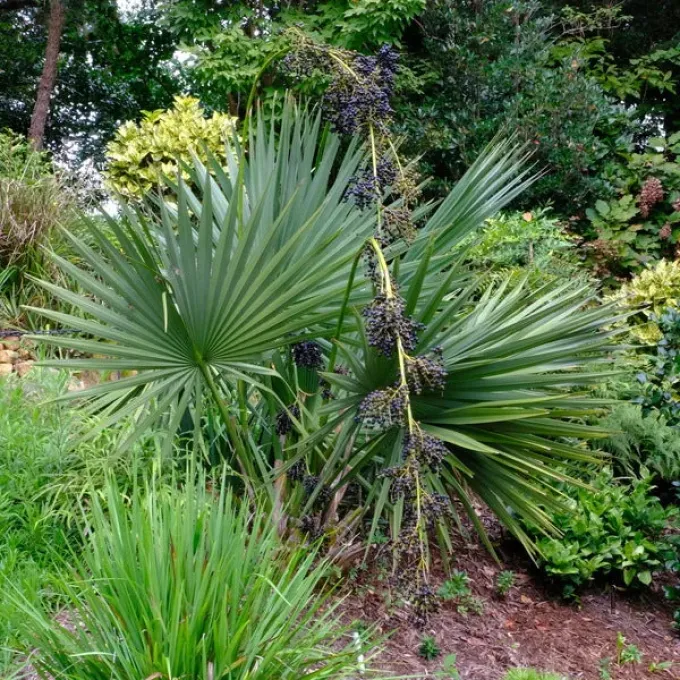
Description
Growing requirements
Sabal blackburniana, commonly known as the Blackburnian palmetto, is a robust palm species belonging to the Arecaceae family. Originating from Bermuda, this palm is known for its large, stiff, fan-shaped leaves and tall, stout trunk that can provide a striking architectural feature in landscapes.
The plant thrives in warm, subtropical climates with abundant sunshine. It requires full sun exposure to maintain its compact and healthy foliage. In non-native regions, it is frequently cultivated in conservatories or tropical gardens where high solar intensity can be guaranteed.
For optimal growth, Sabal blackburniana needs well-drained, nutrient-rich soil with a slightly acidic to neutral pH. It is highly intolerant of waterlogged conditions, making the inclusion of coarse grit or perlite in the potting medium an essential practice for root health.
Climate requirements include protection from prolonged freezing temperatures. While the palm exhibits some cold tolerance, it is best suited for zones where temperatures remain consistently above freezing, ensuring continuous metabolic activity throughout the year.
Agronomic management involves periodic fertilization using slow-release palm-specific fertilizers rich in magnesium and iron to prevent deficiencies. Watering should be deep and infrequent, allowing the top layer of the soil to dry out between applications to mimic natural drying cycles.
Main diseases and pests
Major threats to the health of Sabal blackburniana include fungal pathogens such as leaf spots, which proliferate under conditions of high humidity and poor air circulation. Improving ventilation around the crown is a key cultural control method.
Insect pests including scale insects, mealybugs, and spider mites often infest the leaves and petioles. These pests are particularly problematic in greenhouse environments where natural predator populations are absent or minimal.
Root rot is a critical threat often caused by overwatering or compacted, non-porous soil. If the root system is compromised, the palm's ability to uptake water and nutrients is severely diminished, often leading to decline and secondary infestations.
Physiological disorders such as nutrient chlorosis occur when the substrate pH is incorrect or when micronutrients are unavailable for uptake. Regular soil testing and balanced fertigation are essential to prevent these internal health issues.
Integrated pest management is recommended, starting with mechanical removal of pests and followed by the application of organic or chemical pesticides only when necessary. Keeping the base of the plant free of decaying organic debris is also crucial for preventing disease onset.