
Sabal mauritiiformis
Sabal mauritiiformis
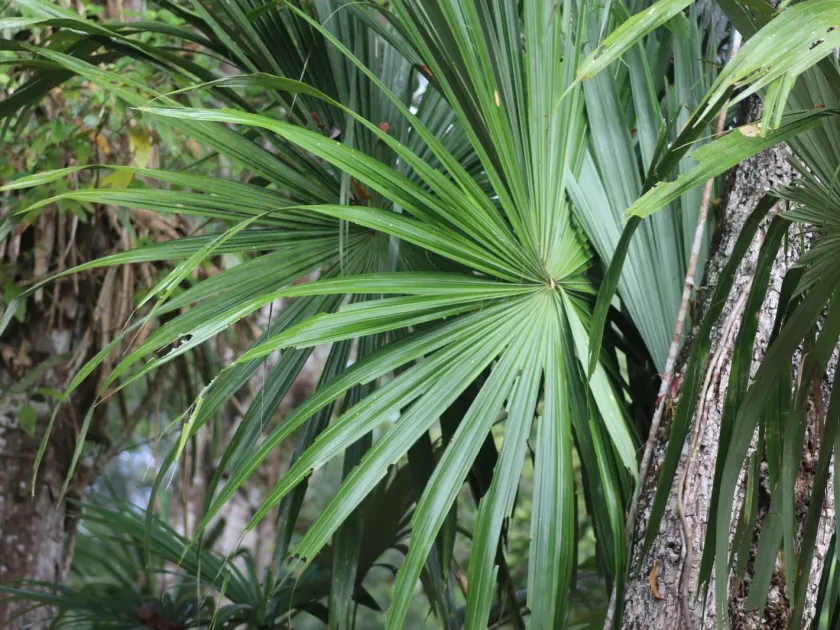
Description
Growing requirements
Sabal mauritiiformis is a striking fan palm belonging to the Arecaceae family. This species is native to the tropical forests of Central and South America, thriving in warm and humid environments.
To ensure healthy growth, this palm requires stable, high-temperature conditions and consistent air humidity. It is sensitive to frost and must be cultivated in frost-free, tropical, or subtropical regions.
The ideal soil for this palm is a fertile, well-draining substrate with a neutral to slightly acidic pH level. While it can handle periodic moisture, poor drainage can lead to root system issues.
Light requirements are significant, as the species prefers bright, indirect or direct sunlight. Adequate spacing is necessary to accommodate the large, majestic fronds as the palm matures.
Agricultural management involves monitoring soil moisture and providing protection from intense winds that may cause mechanical damage to the large leaves.
Main diseases and pests
Like many palms, this species is susceptible to fungal pathogens if the growing medium remains waterlogged or if air circulation around the canopy is insufficient.
Common pests include spider mites and scale insects, which often thrive in indoor conditions or areas with inadequate humidity control.
Effective management strategies include the application of appropriate insecticides and proactive monitoring of the undersides of the leaves for early signs of infestation.
Palm weevils represent a critical threat, as their larvae can bore into the meristem, leading to the irreversible death of the palm if not treated early.
Maintaining high hygiene standards in the field, including the removal of dead tissue and proper pruning, is key to preventing the spread of diseases and pests.
Harvesting
The primary economic value of Sabal mauritiiformis lies in its durable fronds, which are traditionally used for roof thatching in its native habitats.
Harvesting is performed by selectively cutting mature leaves at the base of the petiole. This method allows the plant to continue producing new foliage without compromising its structural integrity.
The fibers of the leaves are valued for their tensile strength and resistance to decay, making them an excellent natural material for handicraft production, such as baskets and hats.
In addition to traditional uses, there is a growing market for this species in the ornamental nursery sector for large-scale landscaping projects.
Sustainable harvesting practices are essential to ensure the longevity of the palm stands, balancing commercial use with the plant's natural growth cycle.