
Rhapis
Rhapis
Rhapis is a genus of perennial evergreen plants belonging to the Arecaceae (palm) family. In their natural habitat, these palms are found primarily in the subtropical and tropical regions of East Asia, including China, Japan, and Vietnam.
What the section contains


Rhapis
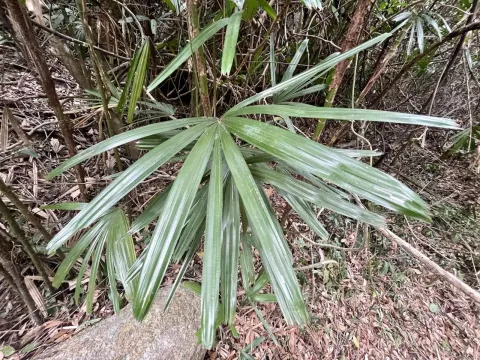
The culture is characterized by a clumping growth habit with multiple stems that resemble bamboo canes. Its fan-shaped leaves are divided into several segments, which gives the plant high decorative value, making it a popular choice for interior landscaping.
For optimal growth, Rhapis requires bright, indirect light, as direct sunlight can cause leaf scorching. The temperature range during the active growing season should be between 18–24°C, though the plant can withstand brief temperature drops down to 5–10°C.
The soil mix for cultivation must be fertile with excellent drainage properties. An ideal composition includes turf soil, leaf mold, and sand in a 2:2:1 ratio. It is crucial to provide regular watering without causing water stagnation, as the root system is sensitive to overwatering.
The primary economic use of Rhapis is its role as an ornamental crop for greening office spaces, winter gardens, and lobbies. The plant is valued for its shade tolerance and its ability to purify indoor air by removing formaldehyde and other volatile organic compounds.
The main threats to the plant's health include infestations by pests such as scale insects, spider mites, and mealybugs. Regular inspection of the underside of the leaves and maintaining optimal air humidity are essential for prevention.
Systematic neglect of proper watering regimes can lead to the development of root rot caused by fungal pathogens. In such cases, it is necessary to replace the substrate entirely, treat the roots with fungicides, and optimize the irrigation schedule.