
Sabal etonia
Sabal etonia
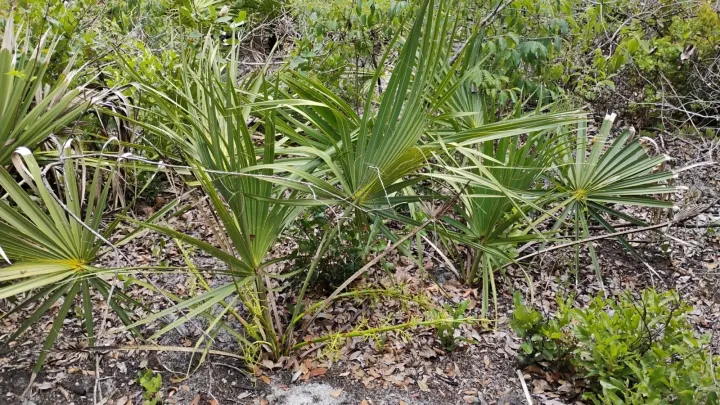
Description
Growing requirements
Sabal etonia, commonly known as the scrub palmetto, is a member of the Arecaceae family. It is a distinctive palm species native to the scrublands of Florida, characterized by its shrubby growth habit and significant adaptation to xeric environments.
The plant thrives in well-drained, sandy soils, reflecting its natural habitat. For successful cultivation, it is essential to replicate these conditions by using a porous, nutrient-poor substrate that prevents moisture accumulation around the root zone.
Light requirements are high for this species; it prefers full sun exposure to maintain its structural integrity and vigor. Insufficient light often results in elongated, weak leaf stalks and makes the plant more susceptible to various physiological stressors.
Climate-wise, Sabal etonia requires a warm environment. It demonstrates moderate cold tolerance, but it is primarily suited for subtropical to mild temperate zones where frost is infrequent and short-lived, ensuring its leaves are not damaged by prolonged freezes.
Agrotechnical maintenance includes infrequent but deep irrigation cycles. The plant is highly drought-tolerant once established, so it is crucial to allow the growing medium to dry out completely between waterings to prevent root rotting and ensure overall health.
Main diseases and pests
The primary threats to Sabal etonia include fungal pathogens, which typically proliferate in conditions of excessive moisture or poor airflow. Root rot is the most common ailment and often arises from poorly draining soil or irrigation mismanagement.
Pest pressures primarily include sap-sucking insects like mealybugs and scale insects. These pests cluster in the tight leaf bases, making manual removal difficult and often necessitating the use of systemic insecticides for complete control.
Spider mites can also impact the plant, particularly in arid indoor environments or dry greenhouse conditions. They cause leaf discolouration and stippling, which reduces the photosynthetic capacity and aesthetic value of the palm.
Sooty mold represents a secondary threat, developing on the honeydew secreted by scale insects. While it does not feed on the plant directly, it blocks sunlight from reaching the leaves, thereby inhibiting photosynthesis and hindering growth.
Good cultural practices, such as maintaining proper spacing and ensuring adequate ventilation, are the best methods to prevent these issues. Regular inspections of the foliage and rapid intervention at the first sign of pests remain the cornerstone of effective palm protection.