
Roscheria
Roscheria
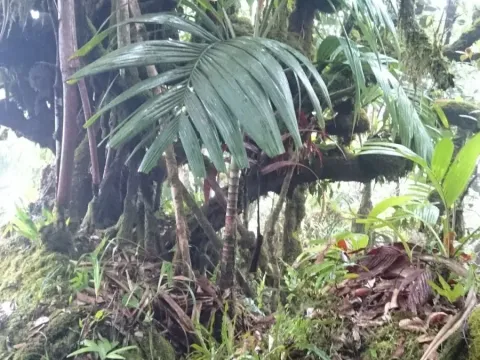
Roscheria is a monotypic genus of palms belonging to the family Arecaceae, represented by the species Roscheria melanochaetes. This elegant, single-stemmed palm is native to the high-altitude forests of the Seychelles islands, specifically Mahe and Silhouette.
What the section contains

Roscheria
Botanically, the plant is characterized by a slender trunk that features distinctive black, spine-like structures. The canopy consists of graceful, feathery leaves that thrive best under the partial shade of the forest canopy, mimicking its natural habitat.
The climatic requirements for Roscheria are strictly tropical, necessitating consistent temperatures and very high humidity levels throughout the year. It cannot tolerate any form of frost or cold spells, which will cause immediate structural damage to the palm.
Regarding soil, the species demands a well-draining, nutrient-rich substrate, preferably with a slightly acidic profile. Achieving the right balance of aeration is crucial, as the root system is highly susceptible to rot in waterlogged conditions.
In terms of agricultural or landscape use, Roscheria is primarily cultivated as a specimen plant in specialized botanical gardens. Due to its status as an island endemic, it is rarely seen in mainstream commercial horticulture.
Common pests affecting Roscheria include scale insects and spider mites, which thrive in indoor environments with poor air circulation. Regular inspection of the undersides of leaves is essential to detect early infestations before they spread.
Fungal pathogens represent a significant risk, particularly root rot caused by poor drainage or overwatering. Maintaining a strict irrigation schedule is the primary defense mechanism for this delicate species.
Invasive plant species pose a severe ecological threat to Roscheria in its natural habitat by competing for limited light and soil resources. Efforts to preserve the native flora of the Seychelles are critical for its long-term survival.
Nutrient deficiencies, specifically in trace minerals, can manifest as yellowing leaves or stunted development. Utilizing a balanced fertilizer specifically formulated for tropical palms can help prevent such physiological issues.
Mechanical injuries to the trunk must be avoided, as the protective tissues of the palm are thin. Any handling of the plant should be done with care, especially given the sharp spines covering its surface.