
Hispaniolan palmetto
Sabal domingensis
Description
Growing requirements
The Hispaniolan palmetto (Sabal domingensis) is a robust palm species belonging to the Arecaceae family. It is native to the Caribbean region, specifically Hispaniola, where it thrives in warm, tropical environmental conditions characterized by long growing seasons.
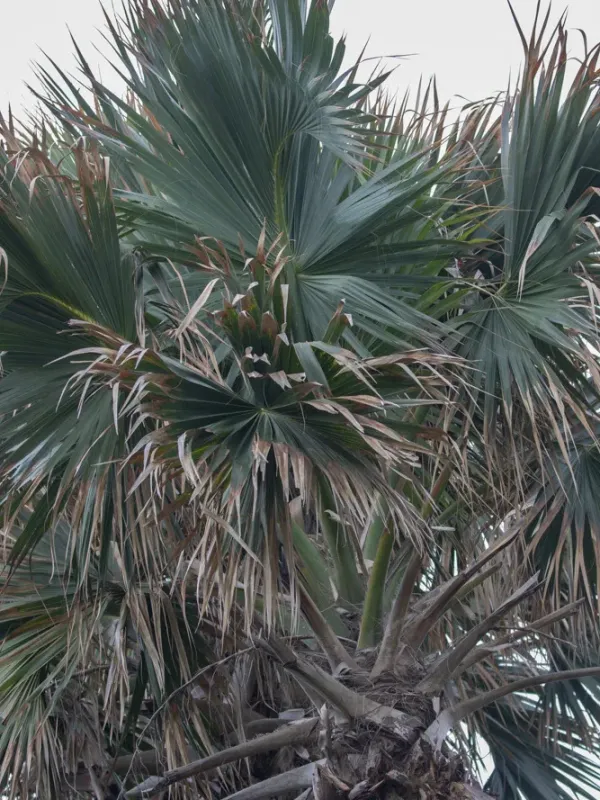
This palm is characterized by a tall, solitary stem and large, fan-shaped leaves that are notable for their rigidity and durability. The foliage provides significant aesthetic value and acts as a structural element in the natural landscape, effectively handling exposure to coastal breezes.
The plant demands full sunlight to reach its potential growth rate, which is typically slow. It prefers a warm climate and is well-suited for regions that do not experience hard frosts, as the species prefers stable, elevated temperatures throughout the year.
Regarding soil requirements, Sabal domingensis is highly adaptable but performs best in well-drained, sandy or loamy soils. Proper aeration of the root system is essential, as the species is intolerant of waterlogged conditions that can cause physiological stress.
In terms of agricultural and horticultural utility, it is widely utilized for its ornamental qualities in landscaping projects. Its resilience to environmental conditions makes it a favored choice for public parks, avenues, and private tropical gardens worldwide.
Main diseases and pests
Major threats to the health of this palm include fungal infections such as root rot, often caused by inadequate soil drainage or excessive irrigation. Implementing a strict watering schedule and monitoring soil moisture are critical preventative measures.
Pest management focuses primarily on controlling infestations of scale insects and mealybugs, which may colonize the leaf bases and undersides. Regular horticultural inspections and timely application of systemic insecticides are standard practices to maintain plant vitality.