
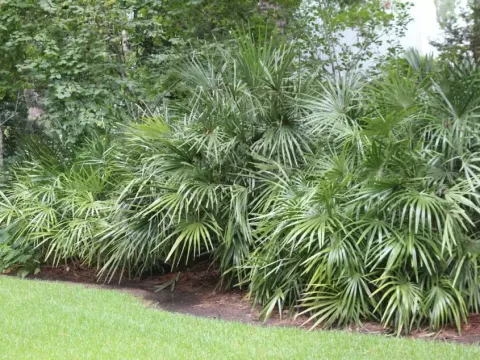
Rhapidophyllum
Rhapidophyllum
Rhapidophyllum hystrix, commonly known as the needle palm, belongs to the Arecaceae family. This species is native to the southeastern United States and is highly regarded in agriculture and landscaping for its exceptional cold tolerance.
What the section contains

Rhapidophyllum
The plant thrives in deep, humus-rich, and well-drained soils. In its natural habitat, it grows in riparian zones and wooded slopes, which dictates the requirement for consistent soil moisture throughout the growing season.
Regarding climate, this culture prefers partial shade to filtered light. Excessive exposure to intense direct sunlight can scorch the leaves, while deep shade may lead to a reduction in overall vigor and growth rate.
Cultural practices include the application of organic mulch around the base to stabilize soil temperatures and conserve moisture. As a slow-growing species, it requires minimal pruning, focused primarily on removing dead fronds.
Proper site selection is essential for long-term health. The chosen area should be protected from harsh, desiccating winds during winter months to ensure the plant maintains its structural integrity and aesthetic value.
Rhapidophyllum is generally robust, but root rot caused by poor soil drainage remains the primary threat. Over-irrigation in heavy clay soils can rapidly compromise the health of the root system.
Pests such as scale insects can occasionally infest the foliage, particularly in nursery or greenhouse settings. Manual removal or application of horticultural oils is effective for managing these infestations.
Spider mites may affect the plant during prolonged periods of hot and dry weather. Increasing humidity around the plant and ensuring adequate air circulation are key preventative strategies for this issue.
Leaf spot diseases, often fungal in origin, can appear during periods of high humidity and poor ventilation. Keeping the foliage dry during irrigation and improving garden spacing helps minimize this risk.
Protecting the roots from soil-borne pathogens involves maintaining a healthy soil microbiome. Avoid digging or tilling too close to the main root mass to prevent creating entry points for opportunistic infections.