
Dwarf palmetto
Sabal minor
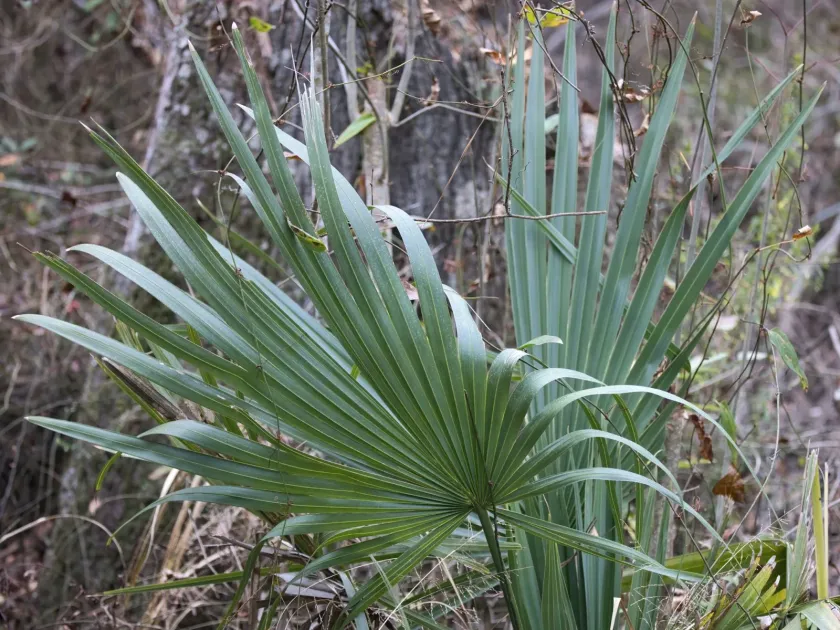
Description
Sowing dates
Propagation of the Dwarf palmetto (Sabal minor) is primarily done through seeds. Due to their hard seed coat, scarification followed by soaking in warm water for 24 to 48 hours is essential to increase germination rates.
Sowing should be performed in a light, well-draining substrate, maintaining a consistent soil temperature between +25°C and +30°C. Germination can be a slow process, often ranging from one to six months depending on environmental conditions.
In nursery settings, seedlings are typically kept in containers for two to three years until they have developed a robust root system. Transplanting to the permanent site should be carried out during the spring to allow the plant to establish before winter.
Choosing an ideal location involves selecting areas that provide shelter from strong winds, which can damage the large, fan-shaped fronds. Adequate spacing of at least 2–3 meters is recommended for healthy individual growth.
Initial establishment requires consistent moisture and light fertilization to promote juvenile growth. Patience is required as Sabal minor is known for its relatively slow initial growth rate compared to other palm species.
Growing requirements
As a member of the Arecaceae family, the Dwarf palmetto is widely recognized as one of the most cold-hardy palm species. It can withstand temperatures as low as -15°C, making it a valuable plant for temperate zone landscaping.
The plant thrives in moist, fertile soils, though it is quite adaptable and can grow in various soil types provided there is good drainage. While it tolerates periodic flooding, waterlogged soil during freezing temperatures should be avoided.
Soil pH preference ranges from slightly acidic to neutral. In heavy clay soils, incorporating organic matter or coarse sand will significantly improve root aeration and overall plant health.
In regions prone to severe frosts, mulching the base of the plant with wood chips or leaves is highly effective in protecting the root system from extreme ground freezing and retaining soil moisture throughout the year.
Optimal growth is achieved in sunny to partially shaded environments. Supplemental irrigation is necessary during dry spells, while a balanced NPK fertilizer with trace elements helps maintain the dark green color of the fronds.
Main diseases and pests
Common fungal diseases affecting Sabal minor include leaf spots caused by pathogens like Exosporium. These are most prevalent in areas with high humidity, poor air circulation, or improper watering practices.
Pests such as scale insects and mealybugs can infest the fronds, leading to stunted growth. Regular monitoring of the foliage and underside of the leaves is crucial for early detection and manual or chemical intervention.
The palmetto weevil is a significant threat that targets the growth point of the palm. If left unchecked, this pest can cause fatal damage. Preventive treatments with systemic insecticides are often recommended in endemic areas.
Good sanitation, such as removing dead fronds and avoiding overhead watering, significantly reduces the risk of fungal infections. It is also important to sterilize pruning tools between different plants to prevent cross-contamination.
Should an infestation occur, immediate isolation of the affected plant and application of specialized pesticides according to manufacturer guidelines are necessary to protect the landscape collection.
Harvesting
The Dwarf palmetto is primarily valued as an ornamental plant in landscaping rather than a commercial agricultural crop. Its compact size and hardiness make it a top choice for gardens and urban parks.
While some palm species are used for their fruits in traditional medicine, Sabal minor is predominantly used for its aesthetic appeal. There is no commercial harvest of the foliage, as the plant is grown for its permanent display.
Seed collection is performed manually when the berries have turned dark blue or black, signaling full maturity. This is done primarily for plant production purposes within the horticultural industry.
Maintenance is mostly limited to sanitary pruning, which involves removing old, dry leaves. This must be done carefully to avoid damaging the crown or the main stem, ensuring the health of the plant is not compromised.
The cultural ease of the Dwarf palmetto makes it a highly sought-after plant for designers seeking low-maintenance, hardy exotic greenery. Once established, it requires minimal human intervention to thrive in its environment.