
Stenomesson
Stenomesson
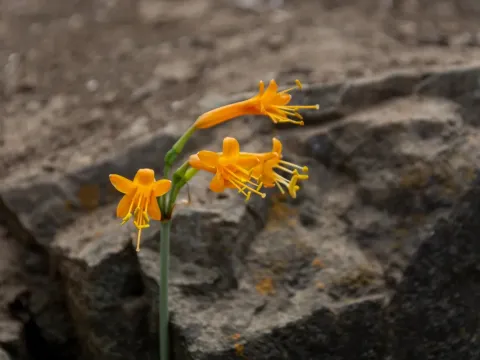
Stenomesson is a genus of perennial bulbous plants belonging to the Amaryllidaceae family. These plants are native to the high-altitude regions of the Andes in South America, primarily found in Peru and Ecuador.
What the section contains


Stenomesson
Cultivation of Stenomesson requires mimicking its natural mountain habitat. The plants thrive in a well-draining, porous substrate that prevents water stagnation, as the bulbs are highly susceptible to rot if left in saturated soil.
Environmental conditions should be kept within a temperate range, as the species is not frost-hardy. For indoor or greenhouse cultivation, maintaining a temperature between 18°C and 24°C during the growing season is ideal for optimal health.
The plants require bright, indirect sunlight to flourish. Direct solar radiation during the middle of the day should be avoided, as it can scorch the foliage and reduce the vigor of the plant during the flowering cycle.
Watering management is crucial; the soil should be kept moderately moist during the active growing phase but allowed to dry out significantly during the dormancy period to ensure a successful subsequent blooming cycle.
The primary threats to Stenomesson health are fungal pathogens such as Fusarium and various types of bulb rot, which are often triggered by improper watering practices and poor soil drainage.
Spider mites are the most common pests found on the foliage, especially when the indoor air humidity is insufficient. These mites damage the cellular structure of leaves, leading to stunted growth.
Mealybugs and aphids can also impact the plant's development. Early detection through regular inspections of the underside of leaves is necessary to implement effective control strategies.
Chemical control involving systemic insecticides is often used to treat heavy infestations, while cultural control remains the best defense for preventing initial outbreaks.
Maintaining a sterile growing environment and using high-quality potting media helps significantly in mitigating the risk of soil-borne diseases and pests affecting the bulbs.