
Spring snowflake
Leucojum vernum
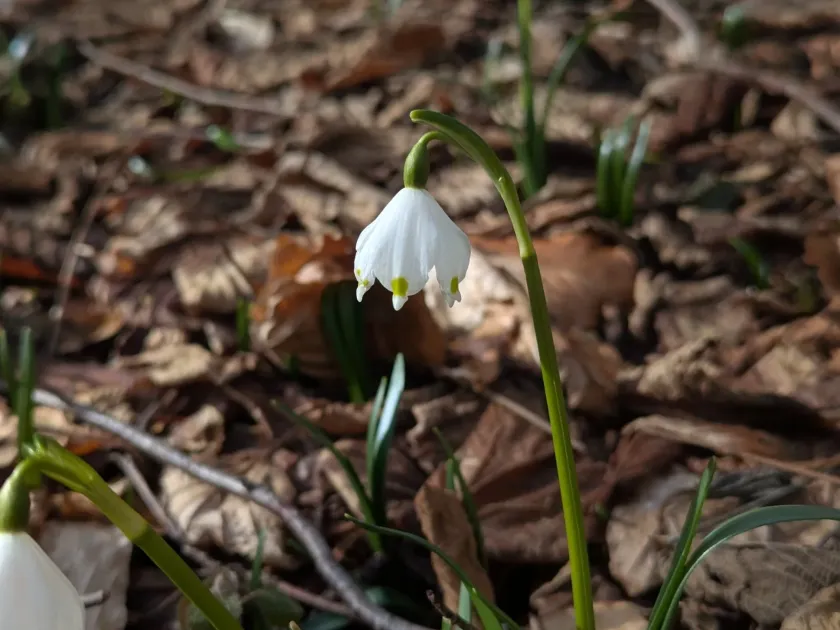
Description
Sowing dates
The Spring snowflake is a bulbous perennial belonging to the Amaryllidaceae family. In agricultural and horticultural practices, the primary method of propagation is the division of offset bulbs during the dormant season.
The optimal planting time is from late summer to early autumn, while the plants are in their dormant state. Planting at this time allows the roots to establish before the onset of winter ground frost.
Bulbs should be planted at a depth of approximately 7 to 10 centimeters, depending on the soil texture. In lighter, sandier soils, a deeper planting depth is recommended to protect the bulb from temperature fluctuations.
Maintain a spacing of 10–15 centimeters between individual bulbs. Proper spacing ensures adequate air circulation and prevents competition for soil nutrients during the peak growing season.
Seed propagation is possible but rarely used commercially due to the long maturation period. Seedlings typically require 6 to 7 years to reach flowering size, making bulb division the preferred method for garden expansion.
Growing requirements
Spring snowflakes thrive in partially shaded locations, such as woodland margins or under deciduous trees. They prefer environments that mimic their native forest habitats with filtered or dappled sunlight.
The ideal soil is moisture-retentive, humus-rich, and well-drained. While they enjoy moisture, they cannot tolerate waterlogged conditions, which can lead to bulb rot; therefore, good drainage is critical.
Regular hydration is essential during the spring growing season. If the soil becomes too dry during the period of leaf development, the plant may suffer, leading to smaller bulbs and reduced flower production for the next year.
This species is highly hardy and can withstand cold winters. In areas with harsh winters, a layer of mulch, such as organic compost or leaf mold, helps protect the bulbs and retains consistent soil moisture.
Nutrient requirements are modest. An application of a balanced, low-nitrogen fertilizer at the beginning of the growth phase supports robust root development and encourages healthy floral displays.
Main diseases and pests
Fungal diseases, particularly grey mould (Botrytis) and various types of bulb rot, are the most significant threats to the Spring snowflake. These often occur in soils with poor drainage or during exceptionally wet seasons.
Pests such as the bulb nematode can cause severe damage. Infested plants show stunted growth and yellowing leaves. Strict sanitation and the removal of infected plant material are necessary to manage the spread.
Slugs and snails can be problematic, especially in early spring when the tender green shoots emerge. Protective barriers or organic bait can be used to mitigate damage to the foliage and flowers.
Crop rotation and site renewal are effective strategies to prevent the buildup of soil-borne pathogens. Moving the planting site every few years prevents the exhaustion of the soil and reduces disease pressure.
Preventative measures include inspecting bulbs thoroughly before planting and treating them with an appropriate fungicide if fungal contamination is suspected. Maintaining tidy planting beds also discourages pest colonization.