
Stenomesson chilense
Stenomesson chilense
Description
Growing requirements
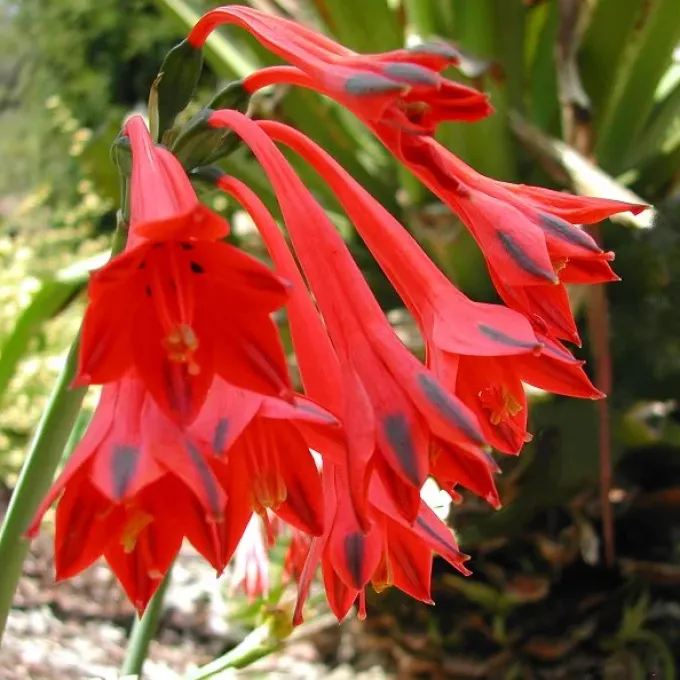
Stenomesson chilense is a perennial bulbous plant belonging to the Amaryllidaceae family. It is native to the arid coastal regions of South America, specifically in Chile, where it has evolved to thrive in specialized climatic conditions characterized by seasonal drought.
The botanical structure of the plant features a well-developed bulb designed to store moisture and nutrients, allowing the plant to survive extended dry periods. The foliage is typically slender and emerges in sync with the development of the inflorescence, showcasing the unique morphology of the genus.
Successful cultivation requires highly porous, well-draining soil to prevent root and bulb rot, which is the primary cause of failure in domestic conditions. A mix consisting of coarse sand, perlite, and a small amount of organic substrate is recommended for optimal plant health.
Environmental requirements include bright, indirect sunlight and protection from extreme temperatures, especially frost. Maintaining a balance between humidity during the growing phase and a strict dry period during dormancy is crucial for inducing flowering in this species.
In terms of agricultural and horticultural use, Stenomesson chilense is primarily an ornamental crop used in specialized greenhouses and botanical collections. It is highly valued for its aesthetic appeal and its status as a distinct biological specimen within the Amaryllis family.
Main diseases and pests
The primary threats to this culture are fungal infections such as Fusarium and various bulb rots caused by excessive soil moisture and poor air circulation. Implementing strict sanitation measures for tools and soil during planting is essential to maintain a healthy root system.
Insect pests, including bulb mites and scale insects, pose a recurring challenge for growers. Routine monitoring of the plant base and foliage is required, and biological or chemical control agents should be applied promptly at the first sign of infestation to ensure the survival of the bulb.