
Stenomesson flavum
Stenomesson flavum
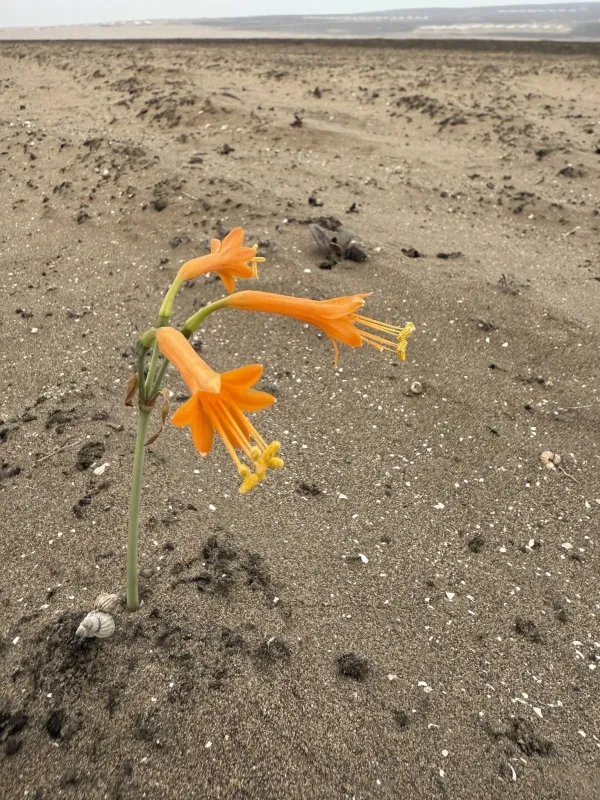
Description
Sowing dates
Stenomesson flavum is a bulbous perennial plant belonging to the Amaryllidaceae family. Propagation is primarily achieved through the separation of offset bulbs during the plant's dormant phase.
For optimal results, bulbs should be planted in the spring. This timing allows the plant to establish its root system before the onset of the peak growing season, ensuring vigorous foliage development.
When planting, ensure the neck of the bulb remains slightly above the soil surface. This positioning is crucial for preventing neck rot, a common issue in many bulbous species.
The planting medium should be porous and well-draining. A mix of peat, coarse sand, and perlite provides the necessary structure to prevent compaction around the roots.
Seeds can also be used for propagation, though this method is more demanding. Fresh seeds should be sown in a warm, humid environment to facilitate germination within the first few weeks.
Growing requirements
Originating from the mountainous regions of the Andes, this species requires bright, indirect light. Intense midday sun can cause leaf scorch and should be avoided or filtered.
Temperature management is key to successful cultivation. The plant thrives in mild temperatures (20-25°C) while actively growing and prefers cooler conditions (12-15°C) during its winter dormancy.
Watering practices must align with the plant's seasonal cycle. During the growing season, keep the soil consistently moist but never waterlogged to protect the bulbs from rotting.
During the rest period, withhold water almost entirely. Keeping the bulbs relatively dry in a cool location simulates the natural Andean seasonal shifts necessary for blooming.
Fertilization should be limited to the active growth period. Use a balanced, water-soluble fertilizer at half-strength every few weeks to support healthy bulb and flower development.
Main diseases and pests
Like many indoor bulbous plants, Stenomesson flavum is susceptible to pests such as mealybugs and spider mites. These pests thrive in dry indoor air and can quickly weaken the plant.
Fungal pathogens are the most serious threat, particularly Fusarium and gray mold. These often arise from overwatering or inadequate soil drainage, which damages the bulb tissues.
Preventative care is highly effective. Ensure adequate air circulation around the plants and avoid splashing water onto the bulbs or the base of the stems during watering.
In case of pest infestation, immediate isolation of the plant is necessary. Clean the foliage with insecticidal soap or use appropriate systemic pesticides according to local regulations.
Maintaining a clean growing environment and removing dead organic matter regularly helps minimize the risk of recurring pest and disease problems.