
Stenomesson hybrids
Stenomesson hybrids
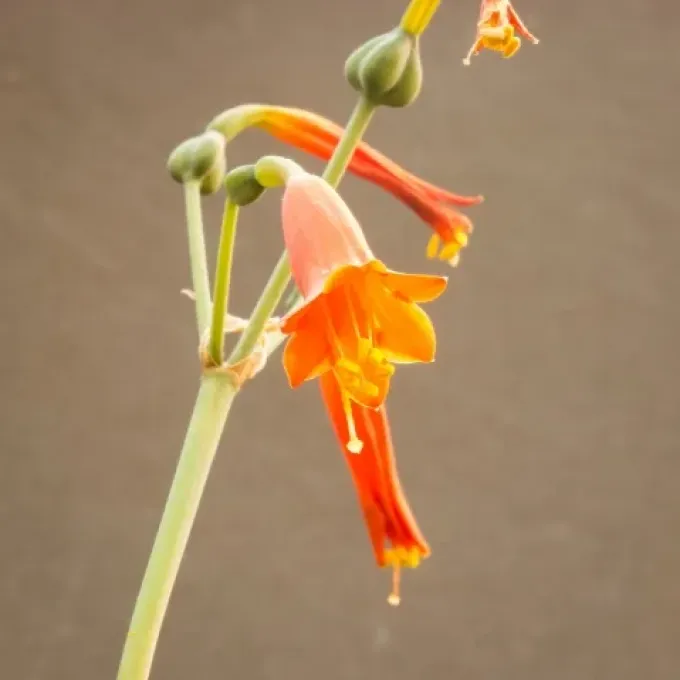
Description
Growing requirements
Stenomesson hybrids belong to the Amaryllidaceae family and are distinguished by their striking, trumpet-shaped flowers. Native to the Andean regions of South America, these plants are adapted to mountain environments, requiring specific conditions that mimic their natural habitat.
Cultivation requires a well-draining substrate, typically a mixture of potting soil, coarse sand, and perlite. Proper drainage is crucial to prevent bulb rot, which is the most significant physiological risk for these plants during the cultivation process in greenhouse conditions.
The plants thrive in bright, indirect light, which promotes healthy foliage development and robust flowering. Excessive direct sunlight can cause leaf scorch, while insufficient light often leads to elongated, weak stems and a lack of bloom production during the season.
Watering management is a critical aspect of Stenomesson agronomy; the soil must be allowed to dry slightly between waterings to ensure optimal root oxygenation. During the dormant season, watering should be significantly reduced or stopped entirely to prevent fungal pathogen proliferation.
These hybrids are primarily utilized in specialized ornamental horticulture and high-end conservatory displays. Their rarity and unique aesthetic appeal make them highly valued subjects for botanical collections and interior landscaping projects requiring distinctive floral elements.
Main diseases and pests
Common pests affecting Stenomesson hybrids include spider mites, mealybugs, and scale insects. These organisms thrive in dry indoor conditions and can significantly weaken the plant if infestations are not detected and managed promptly using targeted systemic insecticides.
Fungal diseases, such as Fusarium oxysporum, represent a major threat to bulb longevity. These infections usually manifest as root or basal plate rot and are exacerbated by poor air circulation and excessive moisture in the growing medium during cooler temperature cycles.
Preventative measures include the rigorous disinfection of growing containers and the use of sterile substrate components. Treating bulbs with systemic fungicides before planting provides a necessary defensive layer against common soil-borne fungal pathogens present in greenhouse environments.
Maintaining a clean growing space is essential for effective disease control. Removing fallen leaves or decaying tissue immediately reduces the probability of secondary fungal growth, which can easily migrate from organic debris to the healthy parts of the bulb.
Consistent monitoring of plant vigor allows for early detection of stress factors. By balancing macronutrient application and ensuring adequate ventilation, growers can strengthen the biological resilience of the plants against typical pests and opportunistic microbial infections.