
Sprekelia
Sprekelia Heist.
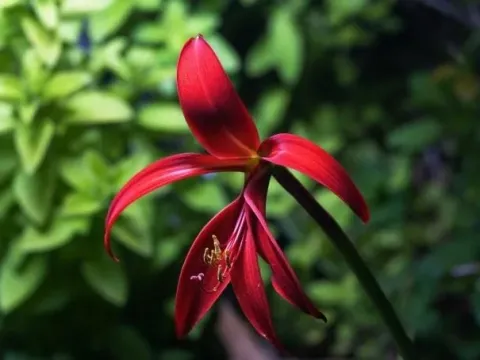
Sprekelia, commonly known as the Aztec Lily, is a bulbous plant species within the Amaryllidaceae family, native to the high-altitude regions of Mexico. It is highly valued for its striking, orchid-like crimson flowers that bloom on a single hollow stalk.
What the section contains

Sprekelia
Cultivation requirements necessitate a well-draining, nutrient-rich potting medium to prevent bulb rot. A mixture of loam, sand, and organic matter is ideal to ensure that the roots receive adequate oxygen while maintaining necessary moisture levels.
The plant thrives in bright, indirect sunlight. In warmer climates, it can be grown outdoors in protected garden beds, but it requires lifting before the first frost, as it is sensitive to low temperatures and freezing soil.
During the growing season, consistent watering and fertilization with a balanced, high-potassium formula are essential to promote vigorous foliage and future flower development. Avoid getting water on the bulb neck to reduce rot risk.
The dormancy period is crucial for Sprekelia. After the foliage dies back in autumn, the plant should be kept dry and cool, around 10–12°C, to simulate its natural cycle and trigger the next blooming sequence successfully.
Stagonospora curtisii, commonly known as red blotch or red fire, is the primary disease affecting Sprekelia. It manifests as red spots or lesions on the leaves and bulb scales, which can be fatal if left untreated by fungicides.
Root and bulb rot are common threats caused by overly wet or heavy, waterlogged soil. Proper drainage is the most effective preventative measure against these pathogenic fungi that target the storage organs.
Mealybugs and scale insects are the most frequent pests that attack Sprekelia plants. These sap-sucking insects can be managed by using horticultural soaps or systemic insecticides if the infestation is severe.
Thrips may pose a threat by feeding on the buds and petals, causing distortion and scarring of the flowers. Regular monitoring and the use of sticky traps or insecticidal sprays are recommended to protect the floral display.
To ensure long-term plant health, maintain good hygiene in the greenhouse or growing area by removing decaying foliage promptly. Proper ventilation is essential to decrease the humidity levels that favor fungal growth.