
Stenomesson pearcei
Stenomesson pearcei
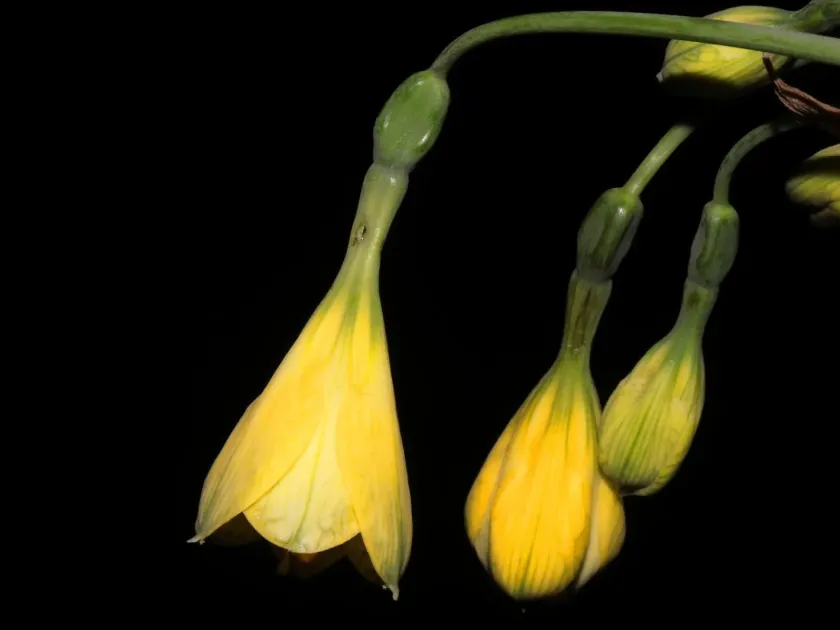
Description
Growing requirements
Stenomesson pearcei is an attractive bulbous plant belonging to the Amaryllidaceae family. Originating from the high-altitude regions of Peru, it is adapted to specific light and temperature conditions that must be replicated in cultivation to ensure healthy development.
The substrate should be porous and nutrient-rich, mimicking the well-drained soils of its native habitat. A mixture of loam, leaf mold, and coarse sand or perlite is ideal, as the bulb is highly prone to rot if kept in waterlogged conditions.
Cultivation requires bright, indirect light throughout the growing season. While the plant appreciates sunshine, intense direct light during midday can scorch the foliage, so positioning in east or west-facing windows is generally recommended for optimal results.
The life cycle involves a distinct resting period after the foliage dies back. During this time, the pot should be kept in a cooler environment with significantly reduced irrigation, allowing the bulb to recover and prepare for the next flowering phase.
Propagation is primarily achieved through the separation of offsets, which are small daughter bulbs that develop around the parent plant. This should be performed during the dormant phase to minimize stress on the parent bulb and ensure successful establishment.
Main diseases and pests
The primary threat to Stenomesson pearcei is fungal disease, particularly basal rot and Fusarium wilt. These issues are almost exclusively caused by overwatering or poor drainage, emphasizing the need for a precise water management strategy.
Mealybugs are common pests that hide in the crevices of the bulb's neck and the base of the leaves. Manual removal combined with insecticidal soaps or systemic treatments is effective for managing these populations before they cause significant damage.
Spider mites may appear if the ambient humidity is too low for an extended period. Regular misting or the use of a humidity tray can deter these pests, though specialized miticides may be necessary for severe infestations.
Fungus gnats can become a nuisance if the top layer of the soil remains wet for too long. Improving soil aeration and allowing the surface to dry between waterings is the most effective cultural method to prevent their colonization.
To maintain plant vigor, one should always use sterile tools when pruning or repotting. Sanitation is crucial in preventing the spread of viruses, which can occasionally manifest as mosaic patterns on the leaves and eventually weaken the bulb.