
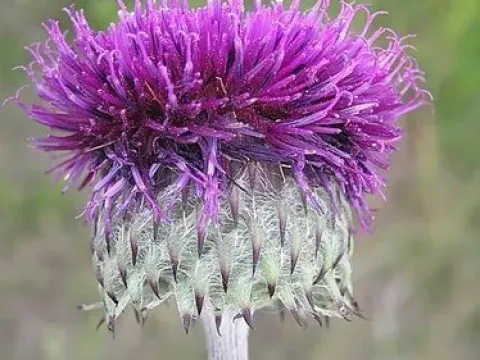
Jurinea
Jurinea
Jurinea is a genus of perennial herbs belonging to the Asteraceae family. These plants are characterized by their deep taproots, allowing them to thrive in harsh, nutrient-poor environments.
What the section contains
 Jurinea albicaulis
Jurinea albicaulis
Jurinea albicaulis
 Jurinea arachnoidea
Jurinea arachnoidea
Jurinea arachnoidea
 Jurinea calcarea
Jurinea cretacea
Jurinea cretacea
Jurinea calcarea
Jurinea calcarea
Jurinea cretacea
Jurinea cretacea
 Jurinea cyanoides
Jurinea cyanoides
Jurinea cyanoides
 Jurinea ewersmanii
Jurinea ewersmanii
Jurinea ewersmanii
 Jurinea glycacantha
Jurinea glycacantha
Jurinea glycacantha
 Jurinea humilis
Jurinea humilis
Jurinea humilis
 Jurinea ledebourii
Jurinea ledebourii
Jurinea ledebourii
 Jurinea multiflora
Jurinea multiflora
Jurinea multiflora
 Jurinea pinnata
Jurinea pinnata
Jurinea pinnata
 Jurinea polyclonos
Jurinea polyclonos
Jurinea polyclonos
 Jurinea roegneri
Jurinea staehelinae
Jurinea staehelinae
Jurinea roegneri
Jurinea roegneri
Jurinea staehelinae
Jurinea staehelinae
 Jurinea stoechadifolia
Jurinea stoechadifolia
Jurinea stoechadifolia
 Jurinea taygetea
Jurinea tenuiloba
Jurinea tenuiloba
Jurinea taygetea
Jurinea taygetea
Jurinea tenuiloba
Jurinea tenuiloba
 Soft Jurinea
Jurinea mollis
Soft woolly-thistle
Jurinea mollissima
Soft Jurinea
Jurinea mollis
Soft woolly-thistle
Jurinea mollissima
Jurinea
Propagation is typically done through seeds sown in late autumn, which allows for natural cold stratification over the winter. Seeds should be sown at a very shallow depth, just barely covered with fine soil.
During the first year, Jurinea focuses on root development, forming a low-lying rosette of leaves. This energy investment ensures the plant's long-term survival in arid conditions.
Spacing is vital for this genus, as mature plants can spread significantly. Recommended plant spacing is at least 45 to 60 centimeters apart to ensure proper airflow and root space.
The plant is increasingly used in restoration ecology projects to stabilize dry soils and provide nectar sources for local pollinator populations in steppe regions.
Jurinea requires full sun exposure and cannot survive in shaded areas. Insufficient light leads to stunted growth and failure to produce healthy flower stalks.
The soil must be well-drained and light, such as sandy loam or gritty textures. Heavy, clay-rich soils that retain moisture are unsuitable as they promote root rot.
The plant is highly drought-tolerant, an adaptation evolved in Eurasian grasslands. It requires minimal supplemental watering once established, making it an excellent choice for low-maintenance landscaping.
Soil pH should ideally be neutral or slightly alkaline. Acidic environments can impair nutrient uptake, leading to yellowing of the leaves and weakened immunity.
Good soil aeration is critical. Regular cultivation or raking around the base of the plant helps maintain soil structure and promotes healthy gas exchange for the roots.
Root rot caused by overwatering or poor drainage is the primary threat to Jurinea. Prolonged moisture around the root crown is usually fatal for the plant.
Pests like aphids and spider mites may target the plant during the early growth stages. Integrated pest management, including natural predators, is preferred over chemical control.
Weeds can quickly overwhelm young plants during their rosette stage. Manual weeding is recommended rather than hoeing deep, as the taproot is sensitive to surface damage.
Fungal infections, specifically powdery mildew, may occur during seasons with high humidity. Ensuring proper planting density mitigates this risk by encouraging air movement.
To prevent disease transmission, avoid wounding the plant tissue during maintenance. Remove and dispose of any infected plant parts away from the cultivation site.
Harvesting for medicinal or floral purposes should occur at the peak of the flowering stage, when the concentration of essential metabolites is at its highest level.
The stems should be harvested using sharp, clean shears. It is important to leave enough of the basal rosette intact to allow the plant to store energy for the next year.
Drying must occur in a dark, airy place away from direct sunlight. This process preserves the chemical composition and the visual appeal of the flower heads.
Seed harvesting requires careful timing, as the seeds often ripen unevenly. Collecting seeds from mature heads in multiple passes ensures high yield and germination quality.
Store harvested materials in breathable containers, such as linen or paper bags, to prevent moisture accumulation and preserve the longevity of the product.