
Jurinea polyclonos
Jurinea polyclonos
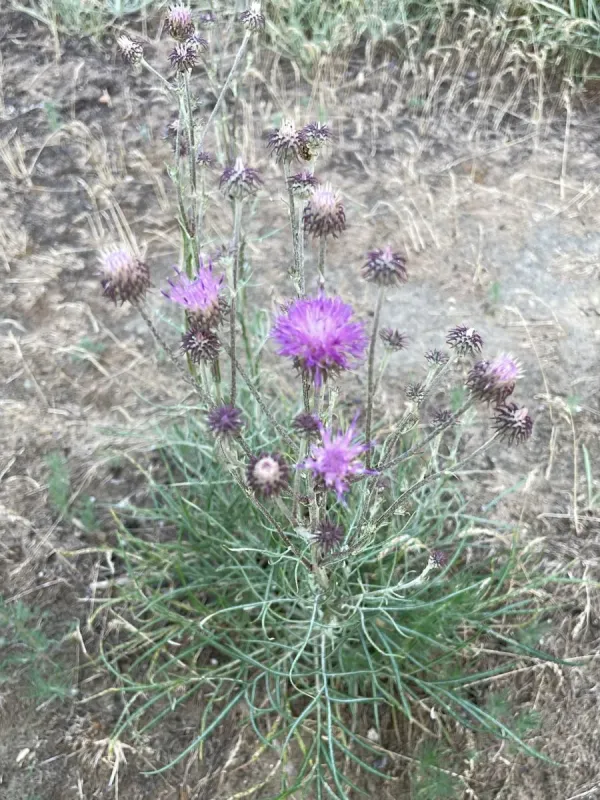
Description
Growing requirements
Jurinea polyclonos is a perennial herb belonging to the Asteraceae family, natively found in steppe landscapes. Its biological resilience makes it an interesting subject for studies on sustainable crop management in arid regions.
The plant thrives in well-drained, stony, or sandy soils where moisture retention is low. It is highly adapted to calcareous soil environments and requires full sunlight for optimal photosynthetic performance and biomass production.
Climatic requirements for Jurinea polyclonos are centered on its tolerance to heat and drought. It excels in regions with wide temperature fluctuations and is capable of surviving long periods without significant precipitation.
Agronomic management involves selecting sites with excellent drainage to prevent root issues. Due to its deep root system, the plant requires minimal irrigation once established, making it suitable for low-input farming systems.
господарського використання ( господарського використання ) the species is primarily valued for its potential in xeriscaping and ecological restoration, as it provides stable ground cover in challenging, dry soil conditions.
Main diseases and pests
The primary threat to the health of Jurinea polyclonos is root rot, which typically occurs in poorly drained or waterlogged soils. This condition is often fatal and can spread rapidly if drainage is not managed.
Powdery mildew is a common fungal threat when humidity levels are excessively high or air circulation around the plants is obstructed. Proper spacing between individual plants is crucial to mitigate this risk.
Insect pests, including various species of aphids, can target the developing flower buds during the peak growing season. These pests can weaken the plant and reduce its reproductive success by draining essential nutrients.
Soil-dwelling larvae can cause significant damage by feeding on the root collar, particularly in young or stressed plants. Monitoring soil health and physical barriers are effective ways to prevent such infestations.
Effective management against diseases relies on cultural practices such as regular weeding and maintaining proper soil structure. Avoiding excessive nitrogen fertilization is also recommended to ensure the plant remains hardy and disease-resistant.