
Jurinea multiflora
Jurinea multiflora
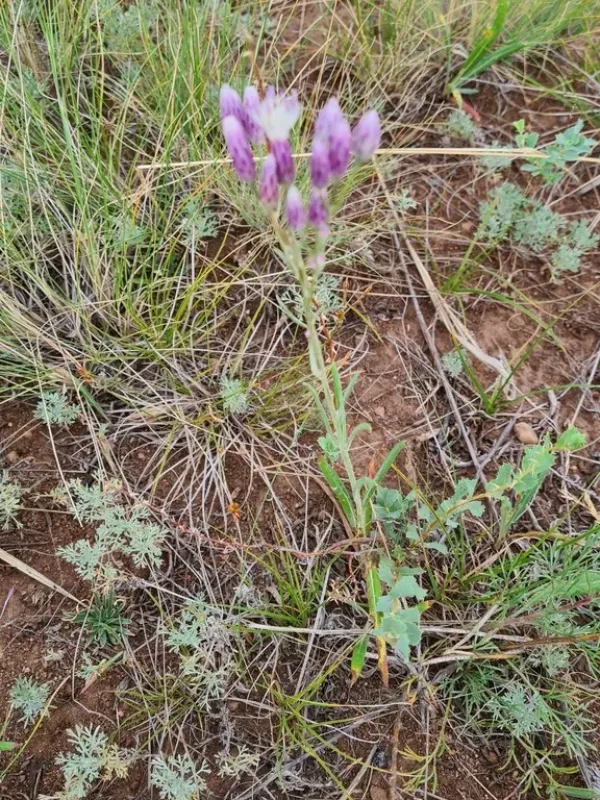
Description
Growing requirements
Jurinea multiflora is a perennial herbaceous plant belonging to the Asteraceae family. Known for its resilience in steppe environments, this plant thrives in open habitats characterized by high solar radiation and low to moderate precipitation levels throughout the growing season.
Botanically, the plant features a deep taproot system, which is a vital adaptation for surviving in semi-arid conditions. Its leaves are typically pinnately lobed, and the plant produces numerous flowering heads, which serve as an important resource for native pollinators in the landscape.
Optimal growth requires well-drained, porous soils, ideally sandy or stony types that prevent moisture retention. Soil acidity should be near neutral or slightly alkaline, as excessive acidity can inhibit root development and limit the nutrient uptake necessary for robust biomass production.
Climate requirements for this culture are centered on warm, dry summers and a well-defined dormancy period during winter. It is highly resistant to drought once established, making it a sustainable choice for restoration projects or specialized medicinal herb farming in dry regions.
Economically, Jurinea multiflora is valued for its potential in herbal medicine, where it is utilized for its bioactive compounds. Additionally, its role as a late-season honey plant contributes to local ecosystem health, supporting bees and other essential pollinating insects.
Main diseases and pests
The primary agricultural threat to Jurinea multiflora is the occurrence of fungal pathogens, specifically those causing root and crown rot when drainage is insufficient. Ensuring proper soil aeration and avoiding water stagnation is the most effective management strategy.
Insect pests, particularly seed-feeding beetles and moth larvae, can significantly impact seed viability. Integrated pest management practices are essential, focusing on monitoring for these pests during the flowering phase to maintain the quality of the harvested botanical material.