
Jurinea cyanoides
Jurinea cyanoides
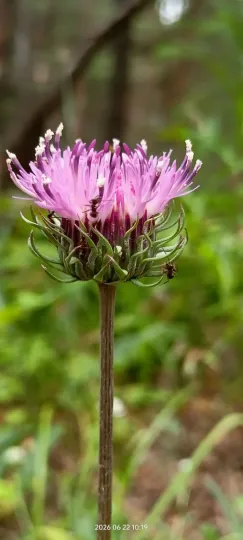
Description
Growing requirements
Jurinea cyanoides is a perennial herbaceous plant belonging to the Asteraceae family. It is typically found in dry sandy steppes and limestone outcrops throughout Eurasia, demonstrating a high degree of adaptation to poor soils.
Botanically, the plant features a deep taproot that secures it in unstable sandy substrates. Its foliage is often pubescent, which helps reduce transpiration and enables survival during the peak heat of the summer season.
The plant thrives in regions with high sunlight and well-drained, sandy conditions. It does not require intensive fertilization, as it is evolved to extract nutrients from nutrient-poor environments where other crops would fail.
Climate requirements include distinct seasonal cycles. It is highly resistant to drought and requires minimal soil moisture, making it an excellent example of a drought-tolerant xerophyte species in its natural range.
Because it is not a traditional agricultural crop, there are no standard cultivation protocols. Its preservation focuses on protecting natural habitats rather than active agronomic intervention or commercial field production.
Main diseases and pests
The primary threats to Jurinea cyanoides populations involve habitat fragmentation and loss caused by human activities such as road construction, urban development, and agricultural land conversion.
Overgrazing poses a significant risk, as trampling by livestock can damage the soil structure and crush young plants, preventing them from establishing themselves in the fragile sandy ecosystem.
Insects such as specialized weevils and other flower-feeding larvae can damage reproductive organs, potentially reducing the number of viable seeds produced in a single growing season.
Pathogenic fungi can emerge when environmental conditions fluctuate towards excessive humidity, although such events are typically limited by the plant's natural preference for dry, sandy soils.
Conservation status in many areas requires avoiding chemical treatments altogether. The survival of this species depends on maintaining the natural balance of its endemic steppe environments.