
Jurinea ledebourii
Jurinea ledebourii
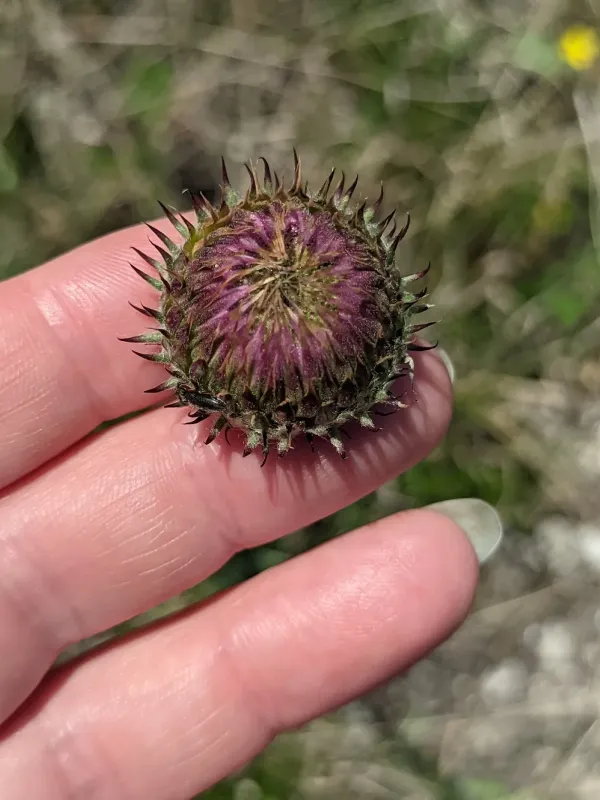
Description
Growing requirements
Jurinea ledebourii is a perennial herbaceous plant belonging to the Asteraceae family. It is native to steppe environments, adapted to arid and semi-arid conditions where it thrives in open, sun-exposed landscapes.
The crop requires well-drained, loose soil types to prevent root decay. It is known for its high drought tolerance, which allows it to adapt to low-moisture environments where more demanding crops fail.
Agronomic management focuses on site selection, as the plant does not tolerate waterlogging. It performs best in areas with moderate soil fertility and requires minimal tillage due to its deep taproot system.
Botanically, the plant is characterized by divided leaves and distinct flower heads that attract various pollinating insects. Its structure is specialized for water retention, featuring dense pubescence on leaf surfaces.
Economically, Jurinea ledebourii serves as an excellent honey plant and a source of compounds for medicinal applications. Its ability to grow in poor conditions makes it a valuable candidate for land reclamation and biodiversity enhancement programs.
Main diseases and pests
The main threats to Jurinea ledebourii cultivation include fungal diseases, specifically root rot and powdery mildew, which thrive in high-humidity or poorly ventilated conditions.
Pests that typically attack this species include aphids and specific coleopterans that feed on the foliage and budding flowers during the active growing season.
Management strategies rely on integrated pest control, including weed suppression and ensuring adequate aeration of the fields to reduce pathogen pressure.
Chemical intervention should be treated as a secondary measure, focusing primarily on environmental control to keep the plant naturally healthy and resistant.
Regular field scouting is essential during the early developmental stages to monitor for signs of infestation and prevent widespread damage to the crop population.