
Jurinea roegneri
Jurinea roegneri
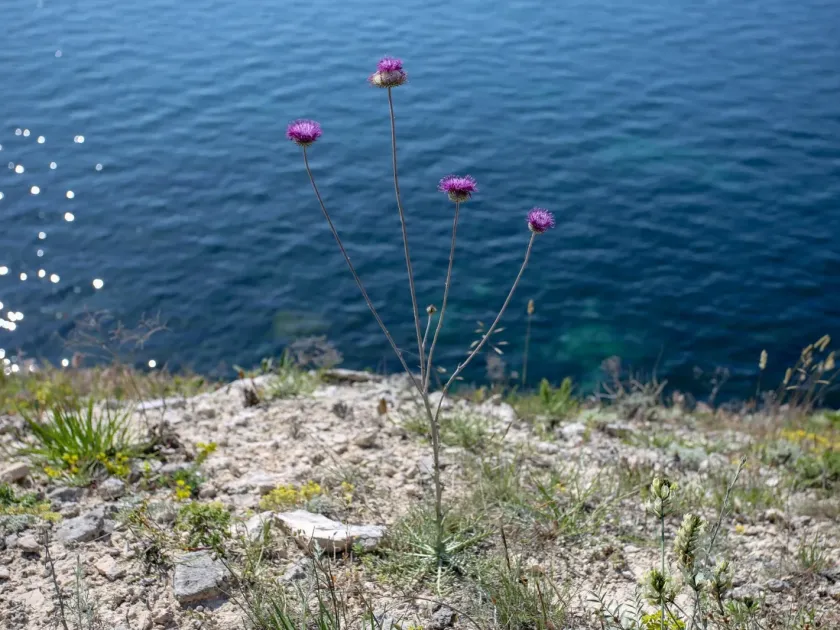
Description
Growing requirements
Jurinea roegneri is a perennial herbaceous plant belonging to the Asteraceae family. It is a specialized species adapted to the harsh conditions of steppe environments, characterized by high drought tolerance.
The plant thrives in well-drained, nutrient-poor, rocky or calcareous soils. These substrates are essential to prevent root rot and mimic the natural habitat conditions required for the development of the taproot system.
As a light-loving species, it requires full sun exposure and open spaces. It is highly resistant to extreme temperature fluctuations and demonstrates optimal physiological performance in dry, arid climates.
Botanically, the plant features dense foliage with trichomes (hairs) that minimize water loss through transpiration. Its structural adaptation allows it to survive in environments where soil moisture availability is seasonally restricted.
The practical application of Jurinea roegneri is mainly focused on ecological restoration and phytomelioration. It serves as a biological model for developing drought-resistant vegetation for degraded steppe lands.
Main diseases and pests
The primary threats to Jurinea roegneri populations include overgrazing and habitat degradation. Livestock activity compresses the soil, which prevents proper root development and seed germination.
Root rot caused by stagnant water is a significant disease risk. Proper soil management and ensuring site elevation are the best preventive measures to maintain plant health.
Insect pests that target floral tissues significantly reduce the reproductive capacity of the plant. Monitoring these infestations is crucial during the flowering period to preserve the seed bank.
Invasive species represent a major challenge for Jurinea roegneri, as they often outcompete the young seedlings for light and soil nutrients during the early stages of establishment.
Integrated pest management strategies are recommended, emphasizing cultural practices over chemical interventions to preserve the ecological integrity of the plant's native surroundings.