
Jurinea albicaulis
Jurinea albicaulis
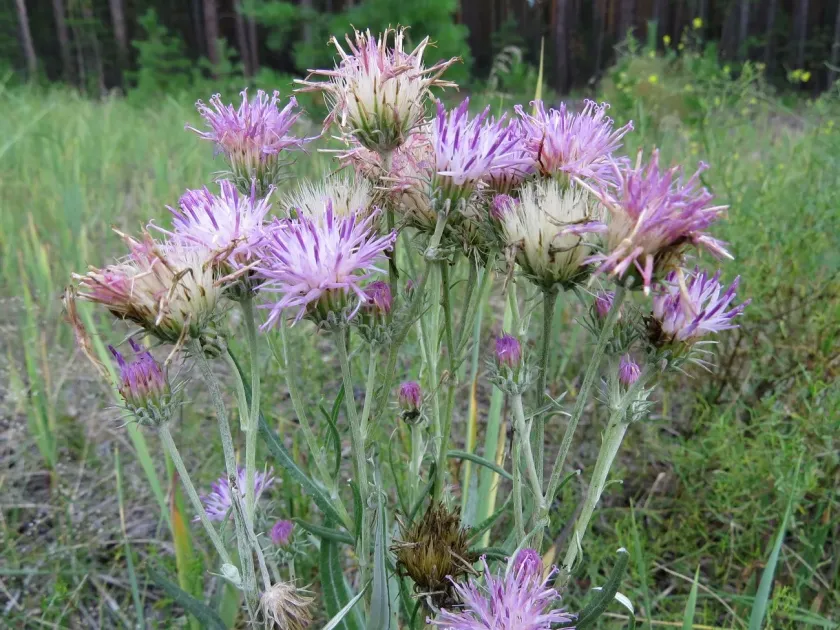
Description
Sowing dates
Jurinea albicaulis, a member of the Asteraceae family, is a resilient perennial herbaceous plant. Its natural habitat includes steppes and dry meadows, making it highly adaptable to varying environmental conditions.
The seeds should be sown in autumn or early spring. Given their dormancy characteristics, exposure to cool temperatures significantly improves germination rates in field conditions.
Seeds should be covered with 1–2 cm of soil, as deeper planting may prevent emergence due to limited seed reserves. Maintaining a well-tilled, weed-free seedbed is essential for successful establishment.
When sowing on a large scale, row spacing of 45-60 cm is recommended. This allows for adequate development of the plant's rosette and subsequent flowering stalks while facilitating mechanical weeding.
Seedling growth is moderate, and consistent moisture is required until the plants reach the four-leaf stage to ensure the root system is sufficiently deep to withstand initial environmental stress.
Growing requirements
This species is a typical xerophyte, thriving in full sun with minimal water requirements. It is an excellent candidate for regions with arid climates or sandy soil compositions.
Well-drained, porous soils with a neutral pH are ideal. The species is highly sensitive to soil saturation; stagnant water quickly leads to root hypoxia and crown rot issues.
Temperature fluctuations are well-tolerated by the plant. It exhibits high cold hardiness and heat tolerance, fitting well into the environmental profile of many temperate and semi-arid zones.
Minimal fertilization is required as the plant is adapted to nutrient-poor soils. Excessive nitrogen application should be avoided, as it promotes vegetative growth at the expense of floral output.
Regular maintenance involves keeping the rows clean of aggressive weeds and preventing surface soil compaction to maintain optimal aeration for the roots.
Main diseases and pests
Common agricultural threats include infestation by aphids and various weevils that target the flower buds. Regular field scouting is necessary to determine the intervention threshold.
Fungal pathogens such as powdery mildew and rust may occur during periods of high humidity or poor air circulation. Ensuring optimal plant density helps mitigate these risks significantly.
Root rot caused by soil-borne pathogens is the most serious threat, typically resulting from improper drainage or over-irrigation. Proper site selection is the primary preventative measure.
Integrated pest management strategies should prioritize biological controls to protect the pollinators that are essential for the plant's reproduction and honey production value.
Field hygiene, including the removal of crop debris after harvest, helps interrupt the life cycle of overwintering pests and pathogens that may otherwise infect the next season's crop.
Harvesting
Jurinea albicaulis is recognized for its value as a honey plant. Its late-summer flowering period makes it an essential source of nectar when most other crops have finished blooming.
For seed collection, harvesting should be done when the flower heads show signs of drying but before the seeds disperse, as they are equipped with a pappus that aids wind dispersal.
Medicinal harvest of the aerial parts should coincide with the onset of flowering. High-quality dry matter depends on rapid post-harvest drying at temperatures below 40°C.
Effective drying prevents the oxidation of essential secondary metabolites, which are the basis for the plant's medicinal value. Once dried, the material must be stored in moisture-proof containers.
In landscape management, plants may be mowed after seed dispersal to maintain site aesthetics and reduce the volume of standing dead biomass, supporting the long-term health of the patch.