
Jurinea stoechadifolia
Jurinea stoechadifolia
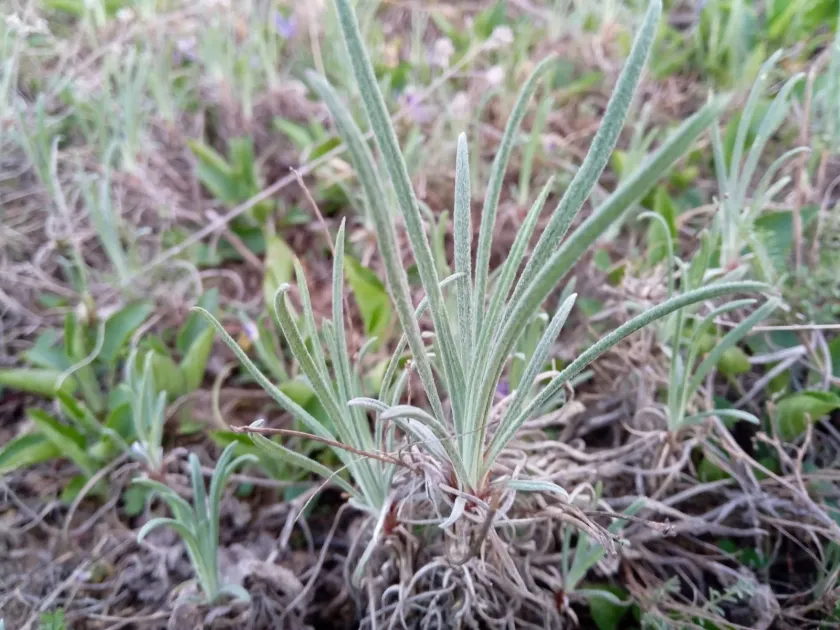
Description
Sowing dates
Sowing Jurinea stoechadifolia is best performed in the autumn or early spring after the seeds have undergone a period of stratification. The soil temperature should ideally reach at least 10 degrees Celsius to promote effective and uniform germination.
Seeds should be placed into prepared soil at a shallow depth of no more than 1 to 2 centimeters. Maintaining row spacing between 45 and 60 centimeters is recommended to facilitate future maintenance operations and weed control.
The germination energy of the seeds is moderate, making the quality of the seedbed crucial for establishing the crop. Lightly rolling the soil after sowing ensures better moisture transfer to the seeds, which is vital for initial growth.
During the first year, the plant focuses its energy on developing a strong root system and a basal leaf rosette. During this establishment phase, keeping the field free from competitive weeds is essential for plant survival.
Commercial cultivation practices favor using fresh seeds to ensure high germination rates. A seeding rate of approximately 5–8 kilograms per hectare is typically sufficient when using conventional row-seeding methods.
Growing requirements
Jurinea stoechadifolia is a perennial herbaceous plant belonging to the Asteraceae family. It is a highly drought-tolerant xerophyte naturally adapted to rocky slopes and arid steppe environments.
The plant thrives in full sun exposure; any significant shading will negatively affect its growth rate and the chemical composition of its foliage. Open, sunny sites are mandatory for productive cultivation.
Soil requirements are relatively modest, as the plant prefers well-drained, lime-rich, or sandy soils. It is particularly sensitive to waterlogging and high water tables, which can lead to root degradation.
This species is well-known for its exceptional winter hardiness, allowing it to withstand extreme temperature fluctuations characteristic of steppe climates. No special winter protection is required for mature plants.
In terms of agricultural management, the plant requires minimal fertilization, as it is adapted to low-nutrient substrates. Excessive nitrogen application can actually weaken the plants, making them more susceptible to disease.
Main diseases and pests
The primary threats to this crop involve fungal pathogens that emerge during periods of high atmospheric or soil moisture. Root rot is the most serious risk, often exacerbated by poor drainage in the cultivation area.
Powdery mildew may occur in particularly wet seasons, coating the leaves and impeding photosynthesis. Preventive measures, such as ensuring proper airflow between plants, are effective in managing this risk.
Pests that damage the flower heads can significantly reduce seed yields. Identifying early signs of aphids or specific types of weevils is necessary to manage infestations before they impact the crop's reproductive phase.
Integrated pest management, including regular field monitoring and maintaining crop rotation, helps keep pest populations below the economic injury level. Avoid using broad-spectrum chemicals that might harm beneficial pollinators.
Regular maintenance, such as thinning or weeding, ensures that plants remain well-ventilated. Proper airflow significantly reduces the humidity in the canopy, which is the key to preventing the spread of fungal infections.
Harvesting
Harvesting the aerial parts of Jurinea stoechadifolia is performed during the peak flowering phase, when the concentration of biologically active compounds is at its highest. This usually occurs in mid-summer.
The stems should be cut approximately 10–15 centimeters above the ground to protect the root system. Using sharp tools is essential to ensure that the base remains intact, which is critical for the plant's regeneration.
After collection, the plant material must be dried immediately in shaded, well-ventilated areas. Maintaining drying temperatures between 40 and 45 degrees Celsius helps preserve the quality of the raw material.
Seed collection is handled separately, where selected plants are left uncut throughout the growing season. Seeds should be harvested once the heads turn brown to ensure full maturity and high viability for subsequent years.
Crop yields vary depending on the age of the plantation and the specific climatic conditions of the season. Established perennials, with proper care, provide consistent harvests for several consecutive years.