
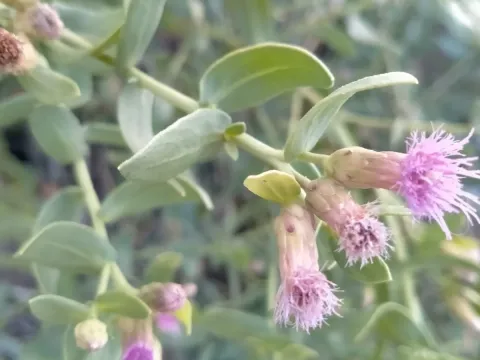
Karelinia
Karelinia
Karelinia is a genus of perennial flowering plants belonging to the Asteraceae family, specifically adapted to the harsh conditions of Central Asian arid regions.
What the section contains

Karelinia
The primary species, Karelinia caspia, is a noted halophyte, specialized in thriving within saline soil environments where most traditional crops cannot survive.
These plants require high solar radiation and are well-suited to regions with extremely low annual precipitation and high rates of evapotranspiration.
Their physiological adaptations include specialized mechanisms to manage osmotic stress caused by high mineral concentrations in the substrate.
The root system of Karelinia is deeply developed, allowing for efficient nutrient uptake and anchoring in sandy or rocky desert soils.
Karelinia species possess natural resistance to many common fungal and bacterial diseases found in more temperate agricultural settings.
Insects, particularly locusts and other arid-region pests, are the primary biotic threats, capable of damaging the foliage during peak reproductive stages.
The high salinity levels in the plant tissues act as a natural deterrent against many generalist herbivores, minimizing damage in most environments.
Environmental degradation, such as overgrazing or land mismanagement, presents a greater threat to the stability of Karelinia populations than specific pests.
Due to the plant's robust nature, integrated pest management is rarely required, as the ecosystem naturally balances its presence within desert plant communities.