
Jurinea taygetea
Jurinea taygetea
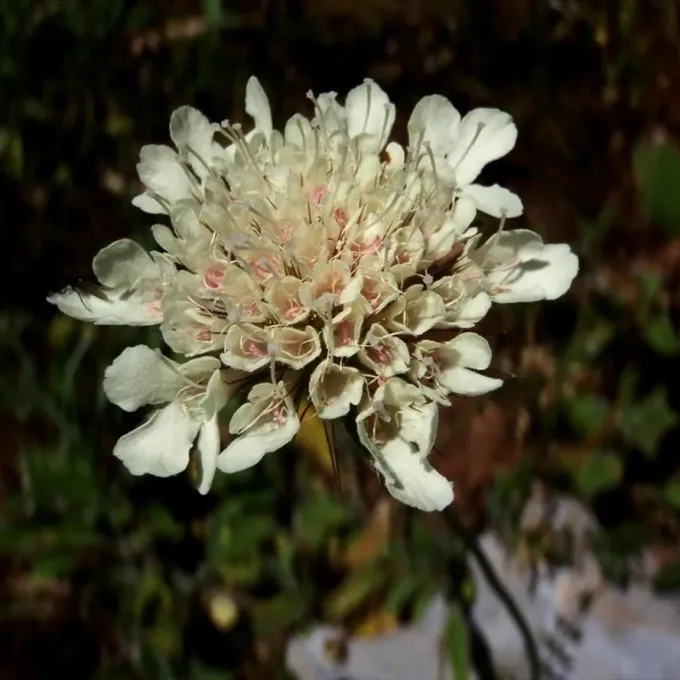
Description
Growing requirements
Jurinea taygetea is a perennial herbaceous plant belonging to the large Asteraceae family. It is recognized for its specialized niche in rocky habitats and calcareous slopes.
The plant thrives in well-drained, nutrient-poor soil compositions, specifically requiring substrates that allow for excellent aeration to prevent moisture accumulation.
Environmental conditions for Jurinea taygetea must prioritize high sun exposure, as the species is heliophilous and performs poorly under shaded conditions.
The species demonstrates excellent resistance to water stress, utilizing a deep taproot to sustain itself through prolonged droughts typical of its native Mediterranean climate.
Cultural practices should include preventing winter wetness, often achieved through raised bed cultivation or the addition of mineral aggregates to the soil structure.
Main diseases and pests
The primary concern for Jurinea taygetea in controlled environments is the susceptibility to root rot, caused by pathogenic fungi when drainage is inadequate.
Aphids are the most common insect pests, often gathering on the underside of leaves and around flower buds, which can impede normal development if left untreated.
Powdery mildew may occur if planting density is too high, preventing proper air circulation and creating a humid microclimate around the foliage.
Larval stages of certain soil-dwelling beetles can cause structural damage to the primary root system, leading to sudden decline in plant health.
Effective management requires maintaining optimal spacing between plants and implementing strict sanitary measures to ensure the longevity of the crop.